Turning the Other Cheek: Nonviolence as Holy Defiance
“Turn the other cheek” may be one of Jesus’ most quoted teachings—yet it’s often taken to mean quiet suffering or passive peace.
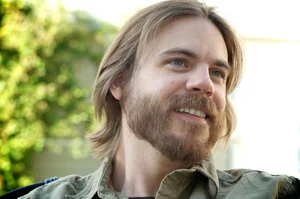
In this week’s teaching clip, Jeremy explores how this phrase would have sounded in the first-century world, where gestures, hands, and even social hierarchy carried very specific meanings.
Jesus isn’t inviting his followers to accept more harm. He’s offering a way to confront injustice without becoming its mirror.
In the cultural world Jesus inhabited, a backhanded slap landed only on the right cheek—a gesture of humiliation, not injury. It signaled superiority: the powerful putting someone “in their place.” So when Jesus says turn the other cheek, he’s calling for something unexpected. Not retaliation. Not retreat. But holy defiance—a refusal to accept the role of the inferior. To face the aggressor eye-to-eye, exposing the injustice behind the blow.
The examples that follow, about giving your cloak or walking a second mile, operate in the same spirit. They aren’t commands to endure endless mistreatment. They’re creative, nonviolent acts that reveal the cruelty of systems and attitudes that hide beneath legality, power, or custom. Jesus names these dynamics and then flips them—inviting us to imagine responses shaped not by fear or revenge but by dignity.
Even the phrase “do not resist an evil person” is often misunderstood. The Greek word Jesus uses, anthistēmi, refers specifically to violent resistance. What Jesus rejects is the cycle of escalating harm. What he offers instead is a new kind of strength—a way of confronting wrong without replicating it.
This kind of peace doesn’t ignore conflict. It looks directly at it. It asks us to slow down our instinctive reactions, to see what is really happening beneath the surface, and to choose a response aligned with the kingdom Jesus proclaims.
The peace God dreams for us isn’t the quiet of avoidance, nor the order imposed by force. It’s the courage to meet injustice with dignity and to imagine a better world alongside God.
Watch the full 15 minute clip here: 👉 YouTube
Read the full written reflection on Jeremy’s Substack: 👉 Substack