Commons resources.
Our books.
Our clips.
Our blogs.
Our courses.
Our Youtube channels.
Our books.
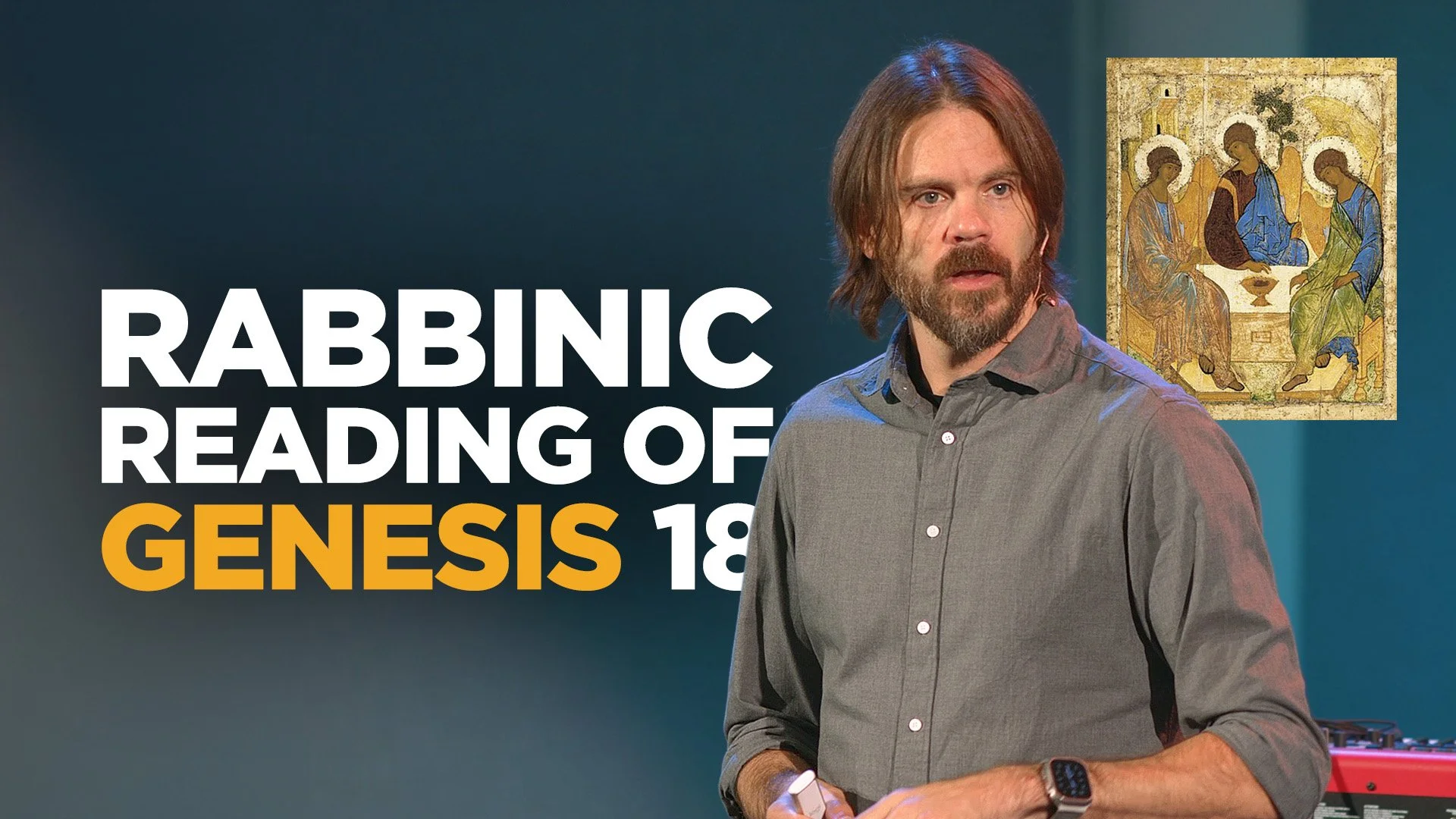
The rabbis’ conclusion is startling: greater is hospitality toward guests than receiving the divine presence. The punchline is that when Abraham gets up to welcome the stranger, he walks straight back into the promises of the God he had just asked to wait.
Let’s walk through three ways of reading the scene: the Christian reading that sees the Trinity (and Andrei Rublev’s famous icon), the ancient Hebrew idea of the divine council, and the mysterious Angel of the Lord. No matter which reading you choose, the text refuses to draw a clean line between where the stranger ends and where God begins.
Who wrote it? When, and why? We look at the case that Ruth was written by a woman, and at why it may have come to prominence in the days of Ezra and Nehemiah. In that period, Moabites were being pushed out of the community. Then along comes a story about a Moabite woman who becomes an ancestor of King David. Are you sure the Moabites are the villains?
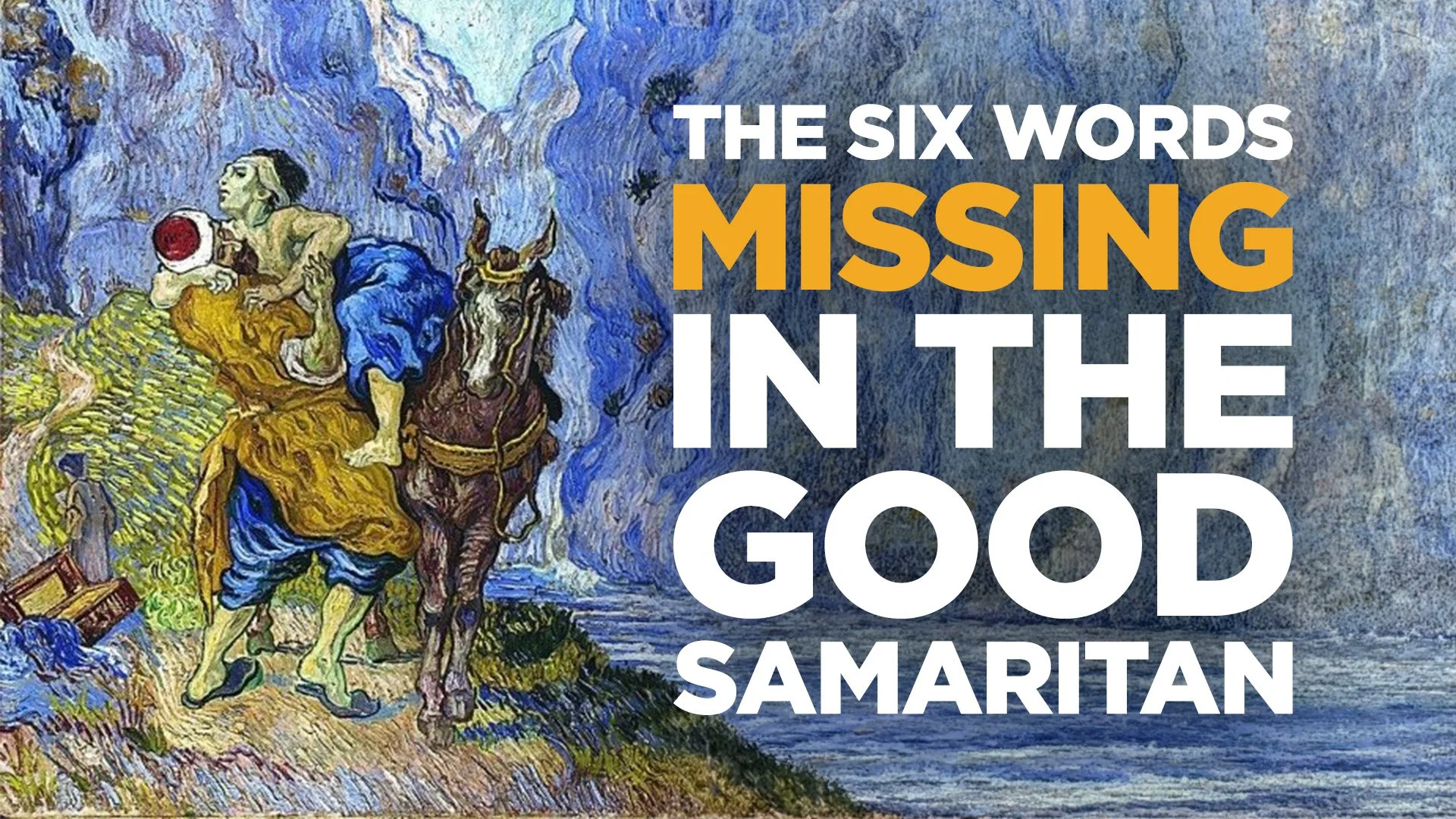
When a lawyer asks Jesus what the greatest commandment is, he gives nearly the same answer Jesus gives in Mark 12. Nearly. Jesus begins six words earlier, with the opening line of the Shema: "Hear, O Israel."
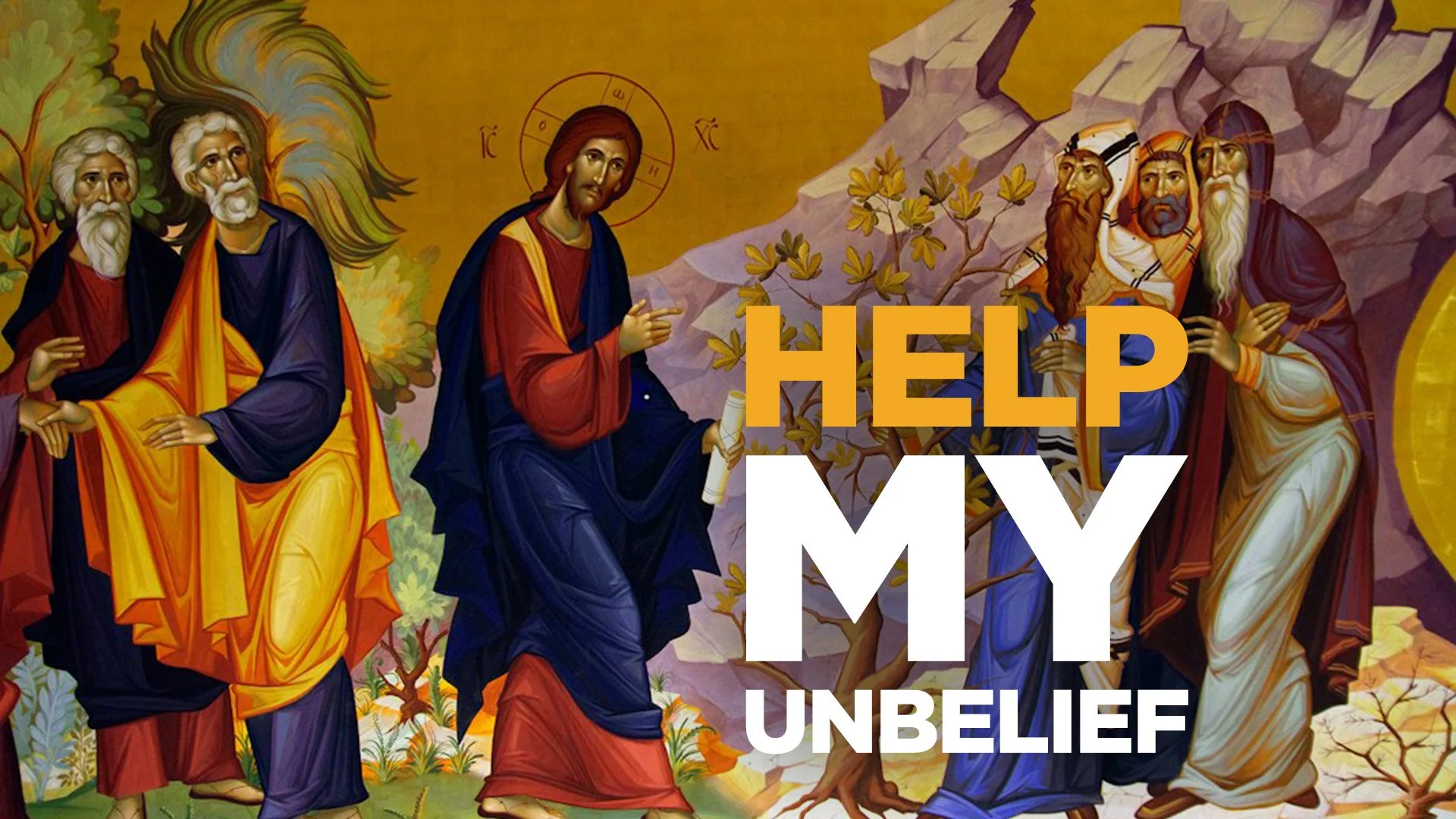
Right after Jesus is revealed in glory on the mountain, Mark takes us down into the valley. There's a boy who's been suffering since childhood, a set of disciples who can't help, and a father running on nothing but fumes. How do the world made right and the world as it is ever meet?
Most of us aren't stopped by the fear of trying something new. We're stopped by the fear of not doing it perfectly. We'd rather miss out entirely than fail spectacularly. So I've got a phrase I use on myself: veggie with bacon. It came from an A&W drive-thru, and it's become my reminder that small, imperfect steps in the right direction beat dreaming about the day we finally arrive.
Paul quotes Psalm 68 in Ephesians 4, and he gets it exactly backwards. The psalm describes a conquering king who receives gifts, even from the rebellious. Paul says the victor gives gifts away. So is it a mistake? A textual error? Something lost in translation?
For most of the book of Acts, Paul is a force of nature. He picks the city, preaches, leaves when things go sideways and decides where to go next. Then he gets on a boat to Jerusalem, and one by one the decisions stop being his. He's arrested, nearly assassinated, left in a Caesarean jail for two years and finally shipped off to Rome by people who keep making a mess of it.
Demetrius makes his living selling silver shrines of Artemis. When Paul starts convincing people that gods made by human hands are no gods at all, Demetrius calls a meeting. And notice who he calls. Not the priests. Not the most devoted worshippers. He goes straight to the people whose income depends on the tourist trade.
Our blogs.
Our courses.
Our Youtube channels.