There is a kind of exhaustion unique to our moment. Not just physical tiredness. More like the fatigue of constant noise. Headlines. Notifications. Podcasts at double speed. Opinions arriving faster than we can process them. We are endlessly connected and yet, somehow, profoundly disconnected.
And maybe that’s because one of the deepest spiritual crises of our age is not disbelief, but distraction.
We have lost the ability to listen.
Not simply to hear words, but to truly pay attention — to neighbours and strangers, to scripture and silence, to creation and even our own souls. The scriptures insist that God still speaks, often through unexpected voices and overlooked places.
Perhaps one of the deepest forms of discipleship today is simply learning to listen again.
Sundays in Kensington
What if the Bible was never meant to win arguments? When we're confused, afraid or disillusioned, it's tempting to treat scripture like ammunition, tossing verses back and forth until someone runs out. But that isn't how the scriptures work, and it isn't how they came to us.
By examining how the writer of Hebrews reframes flawed historical figures and presents Jesus as the pioneer and finish line of faith, Bobbi illustrates how individual struggles are part of a shared, interconnected marathon where past and present believers are perfected together.
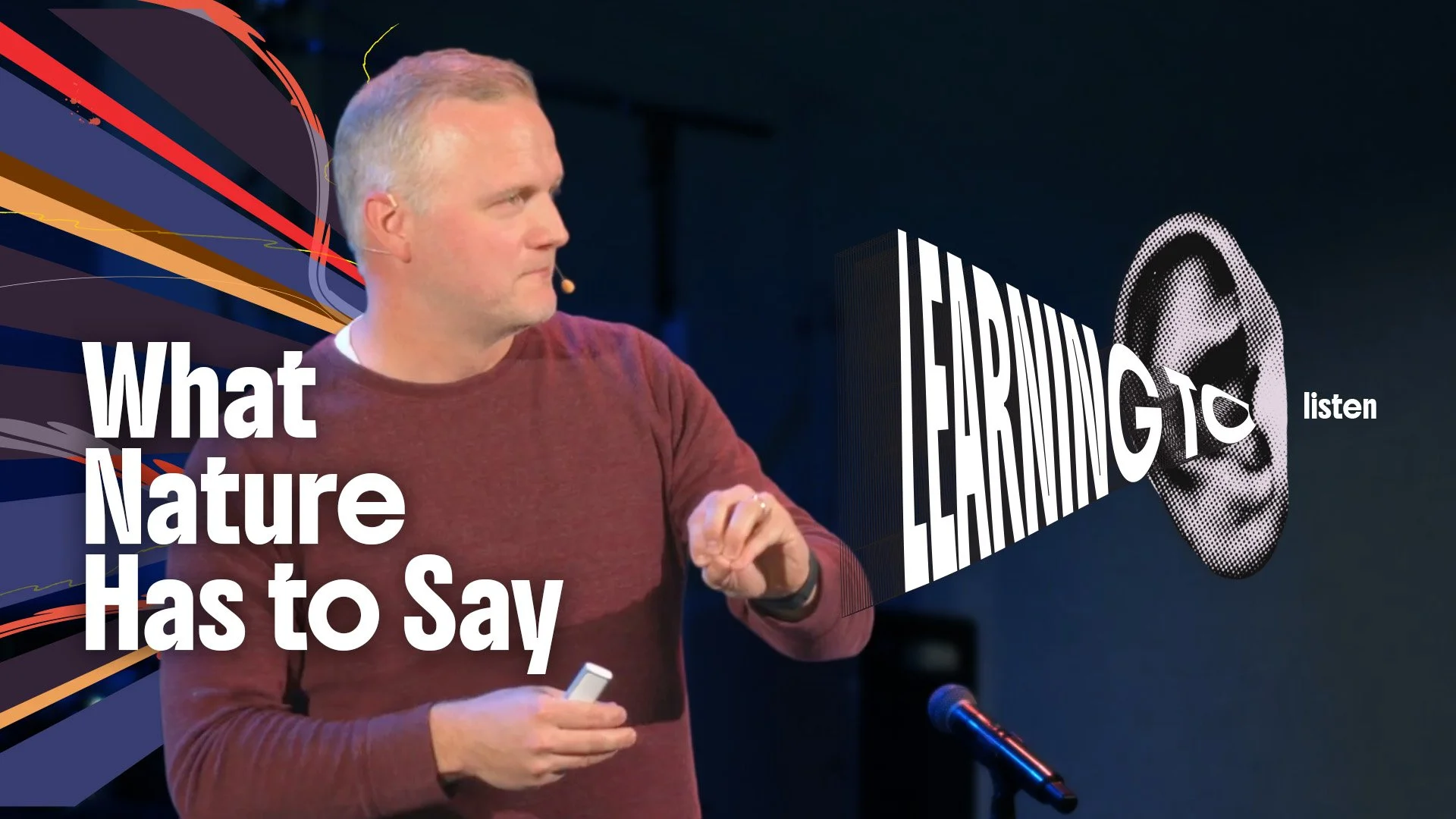
Elijah’s experience of stillness in the natural world is a model for us to follow in a world full of so much noise. We’re invited to welcome the ways that nature grounds us and guides us in all our next steps.
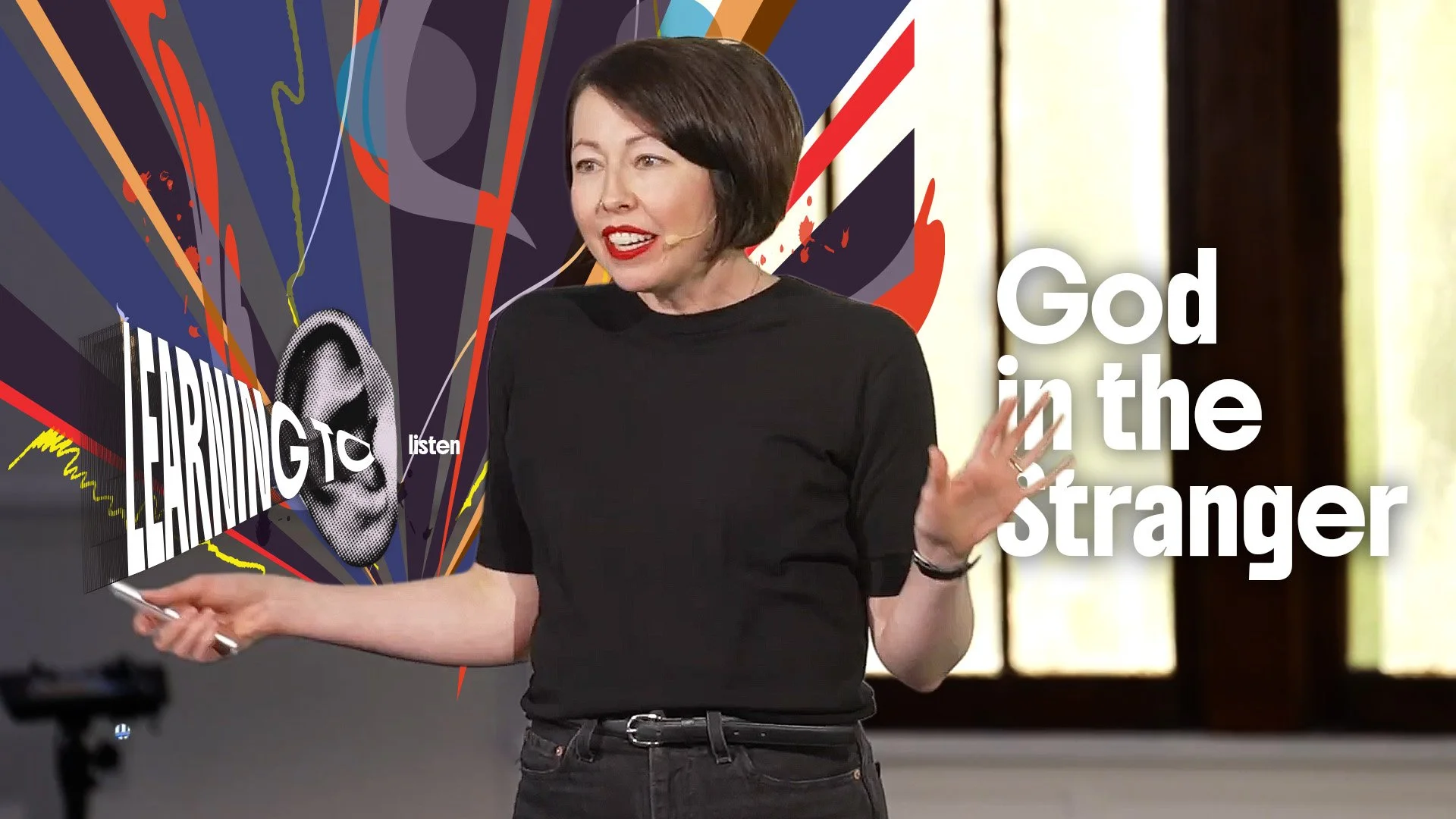
What might we hear from God if we made more room to listen to people we don’t yet know? In Genesis 18, Abraham welcomes three unexpected visitors. This sermon explores the mystery of that encounter and asks how curiosity and hospitality might open us to conversations we never saw coming.
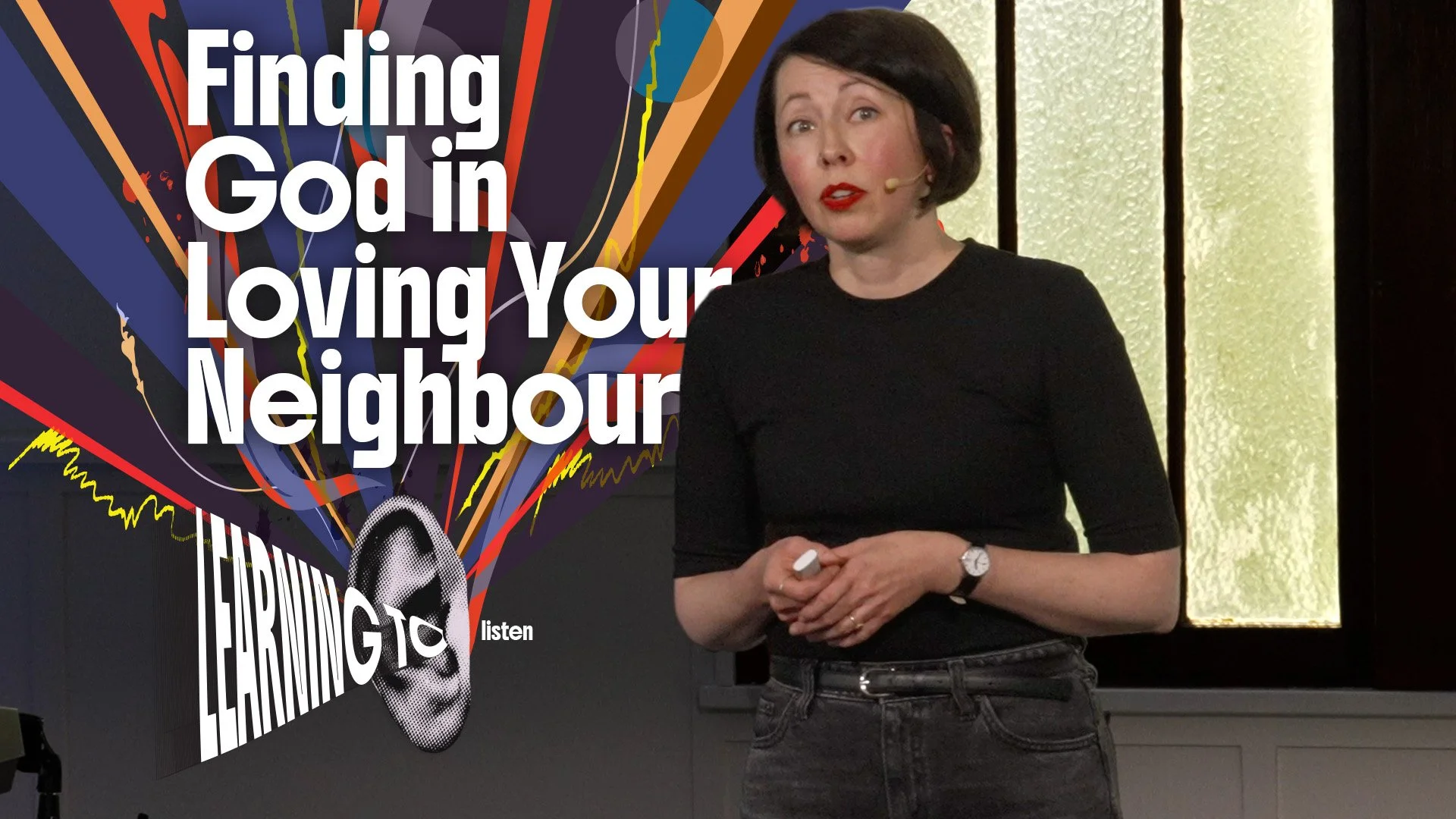
We revisit the Good Samaritan in Luke 10 and explore how Jesus shifts the question from identifying our neighbours to becoming a neighbour. Along the way, we consider the invitation to hear at the heart of the greatest commandment, the familiar stories we’ve stopped listening to, and the compassion that grows when someone else’s story becomes part of ours.
In Mark 9, a father brings Jesus an honest prayer: “I believe; help my unbelief.” His story invites us to let go of perfection, make room for uncertainty, and take the next step toward the future we hope for.
Sundays in Marda Loop
From the breath of life in Genesis 2 to the dry bones of Ezekiel 37, Scripture is an invitation to read as a conversation rather than a rulebook, and to listen for the story that restores our hope and leads us back to Jesus.
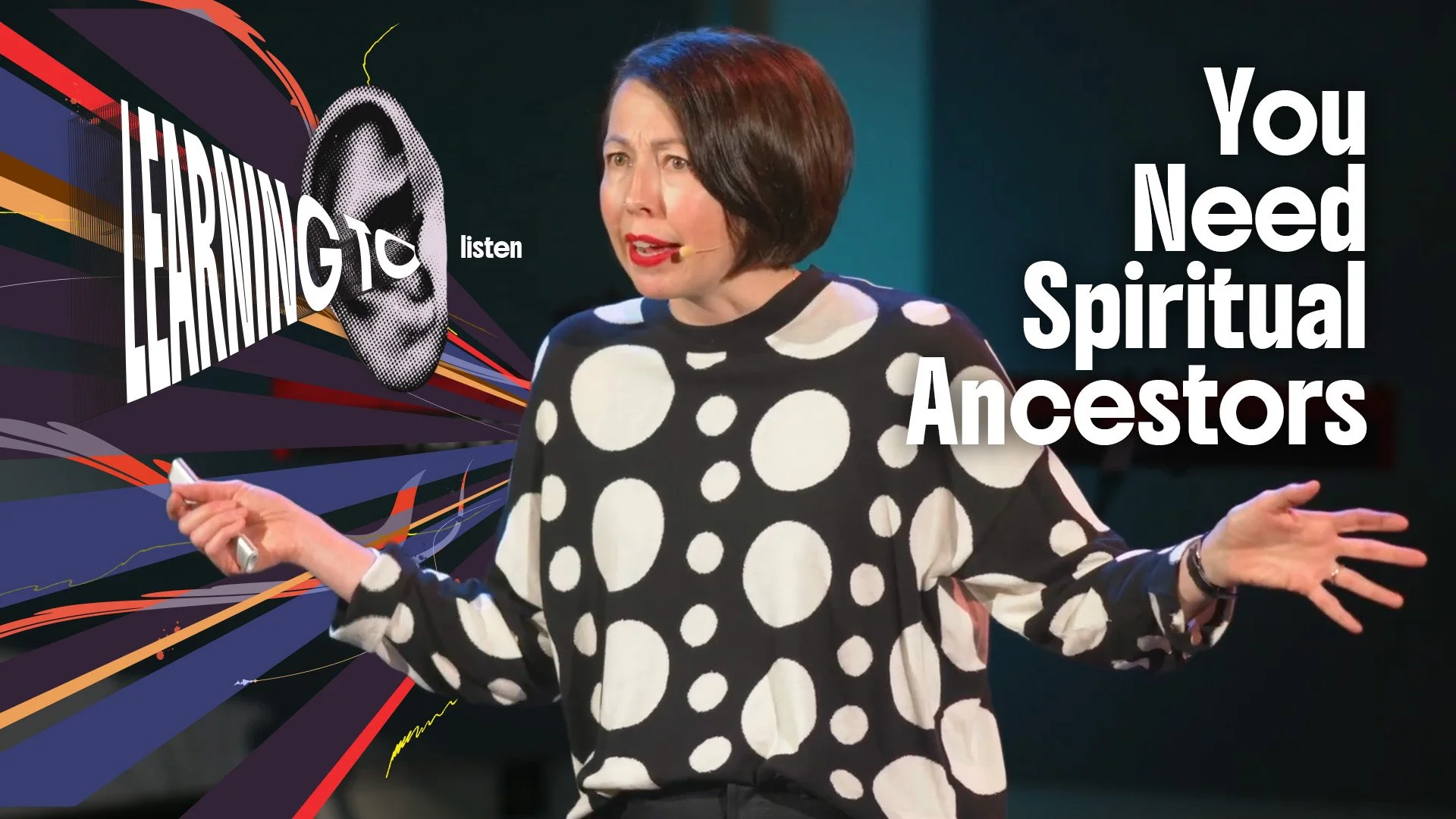
Ultimately, listening to spiritual ancestors equips us to enter fully into our own human experience, finding endurance in the surrounding "cloud of witnesses" and taking up the responsibility to live faithfully so that we, too, become good ancestors for the generations to come.
In the series “Learning to Listen,” Bobbi explores the story of Abraham and Sarah being promised a son. Examining Abraham’s hospitality toward three strange travellers at the oaks of Mamre, she shows how welcoming the unfamiliar leads to a divine encounter, or "theophanic revelation."
Marking the launch of Commons Church in Marda Loop, Bobbi explores what it means to truly listen to our neighbours through the story of the Good Samaritan in Luke 10. Far from a moral lesson on basic kindness, Jesus’ parable invites us into an expanding vision of faith — one that moves past rigid boundaries and passive rules into active, extravagant care.