
Youtube blog.
Watch. Or read.
God as Loving Community: Rethinking the Trinity
The Trinity is one of those ideas we tend to take for granted if we’ve been around the Christian story for any length of time. But here’s the thing—the Trinity isn’t an explicitly biblical idea. It emerged after centuries of wrestling with deeply complex passages like John 14, where Jesus identifies himself with the Father, then brings in the Spirit to describe how he will remain present even after he’s gone.
Seeing God Through Kindness
Jesus’ table exchange with Thomas is more than just a theological lecture. It’s a deeply human exchange filled with kindness, one that we sometimes miss when we don’t slow down and notice the setting.
Me and Mine and the Order of Love
In Christian thought, there is a concept called the ordo amoris—the order of loves. It’s a way of thinking about generosity, care, and kindness in relation to our responsibilities and obligations in the world. It is not, however, a way to excuse ourselves from caring for our neighbour.
What Luke gets Wrong. And Very Right About Jesus' Birth.
One of the most important insights we have into Jesus childhood is hiding in plain sight in the Christmas story. There's is moment in Luke's gospel, where Mary needs go to the temple to perform her purification rights, and Jesus also needs to be consecrated. Luke seems to mix up some of the details but he gets the most important one exactly correct.
The Gift of Rhythm: Why the Christian Calendar Matters
The Christian calendar is probably not something most of us think about all that much—except maybe when it brings us around to Christmas or Easter again. And yet, it’s quietly shaping so much of our worship and rhythm as a church community. But beyond its liturgical role, there’s something profoundly human about the way this calendar works. Neuroscience, of all things, can help us understand why.
Asking Better Questions
John 14 holds some of the most profound and intimate teaching of Jesus anywhere in the scriptures. He’s sitting around a table with his friends, responding to their questions and interjections. And in those exchanges, he offers some of the most self-revealing insights we find in the gospels.
Making Peace, Not Just Keeping It
Jeremy Duncan shares a simple but powerful tool that transformed his marriage. Learn how understanding your conflict style—toward, away, or against—can help you stop keeping the peace and start making it. Perfect for anyone navigating tension in marriage, friendship, or family.
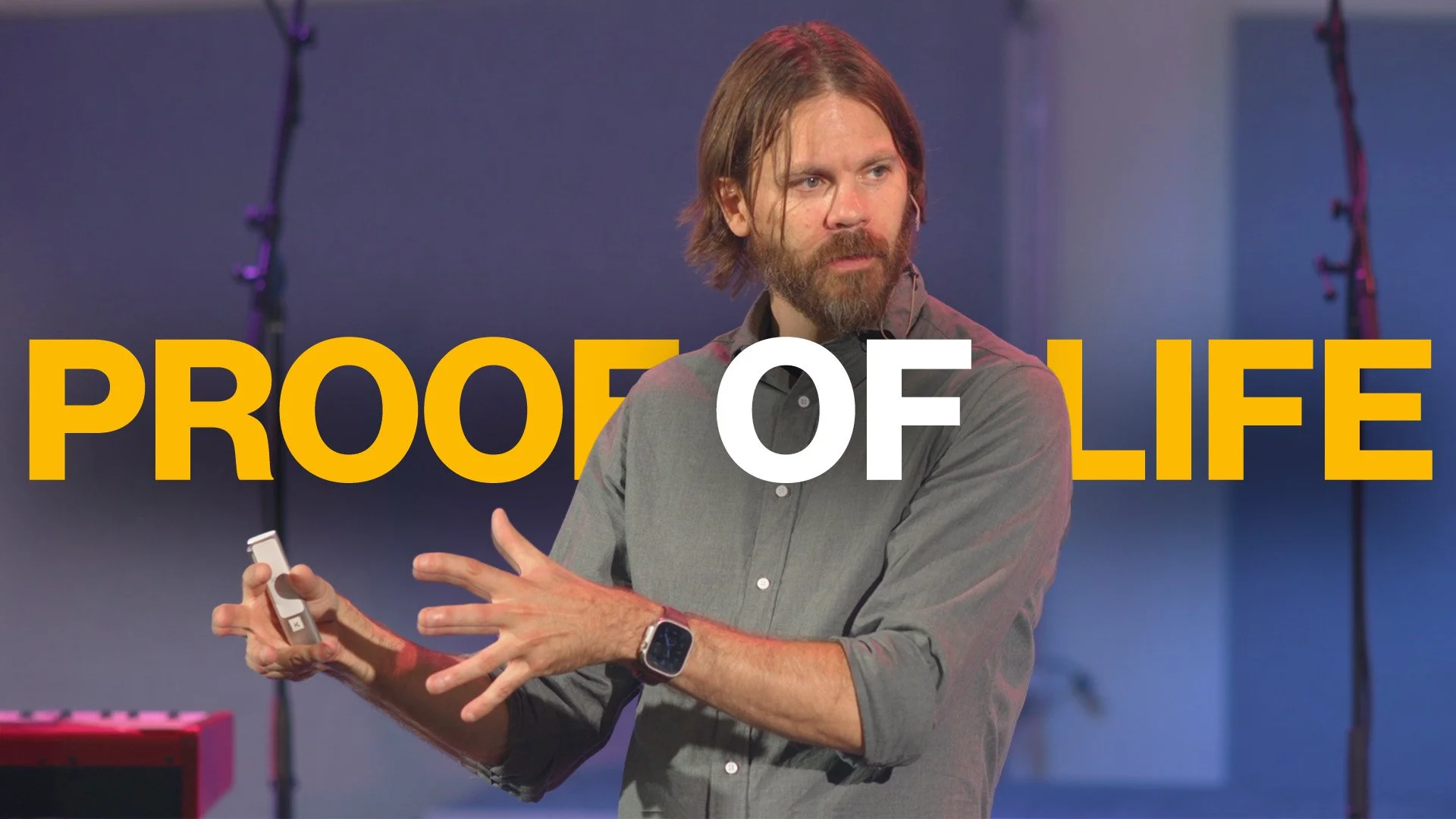
Proof of Life: Thomas and Our Doubts
We often think of Thomas as the disciple who failed to believe. But what if Thomas is actually our twin—the one who shows us that doubt and faith always walk together? In this teaching, Jeremy explores how Thomas’ story invites us to seek proof of life in the transformation Jesus brings to our everyday lives.
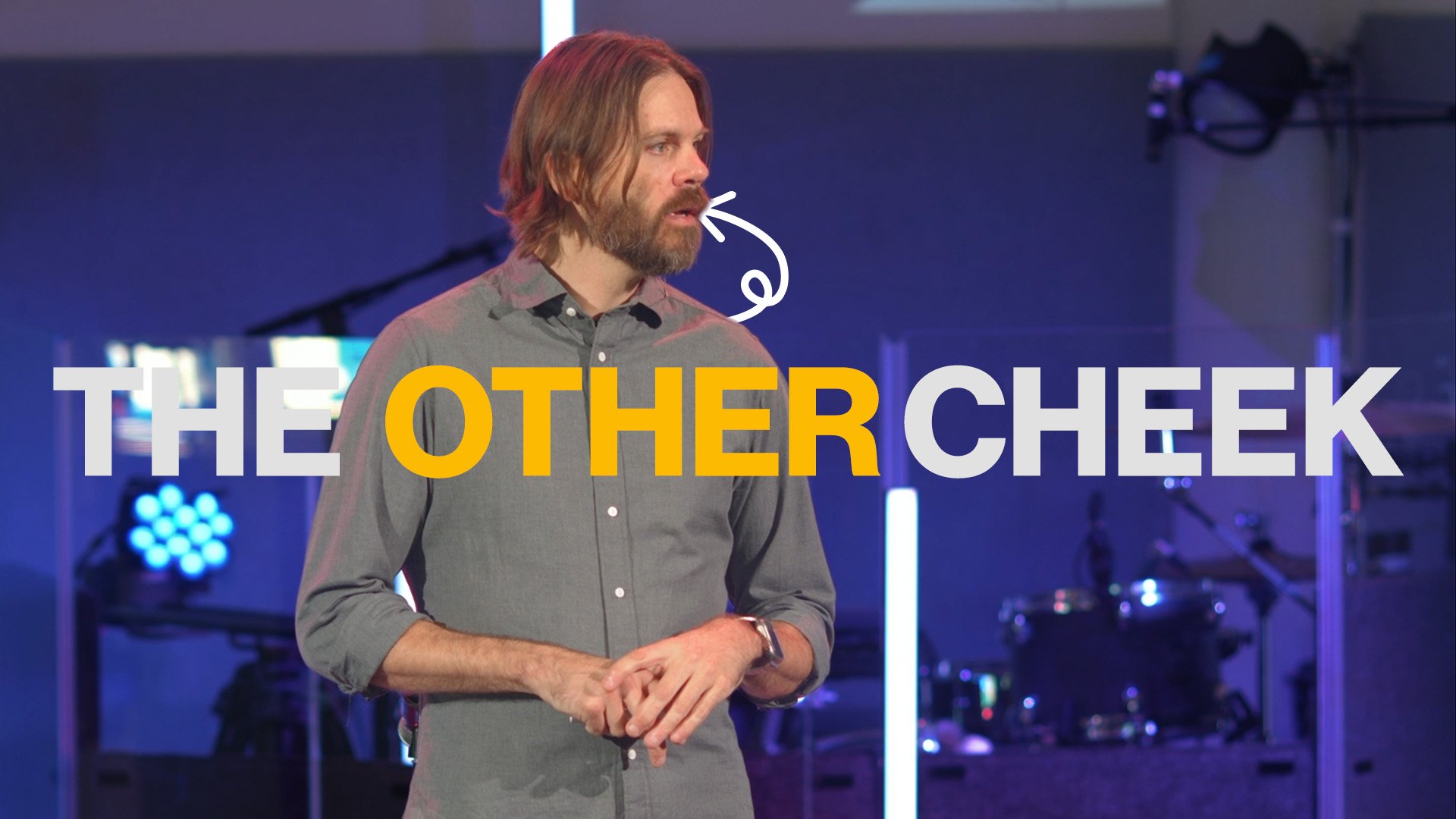
Turning the Other Cheek: Nonviolence as Holy Defiance
When Jesus said, “turn the other cheek,” he wasn’t asking us to accept abuse or ignore injustice. He was showing us how to resist evil without becoming its mirror. In this teaching, Jeremy Duncan explores the historical context, the scholarship of Walter Wink, and the radical creativity behind Jesus’ vision of nonviolent resistance — a vision that still calls us toward the peace God dreams for the world.
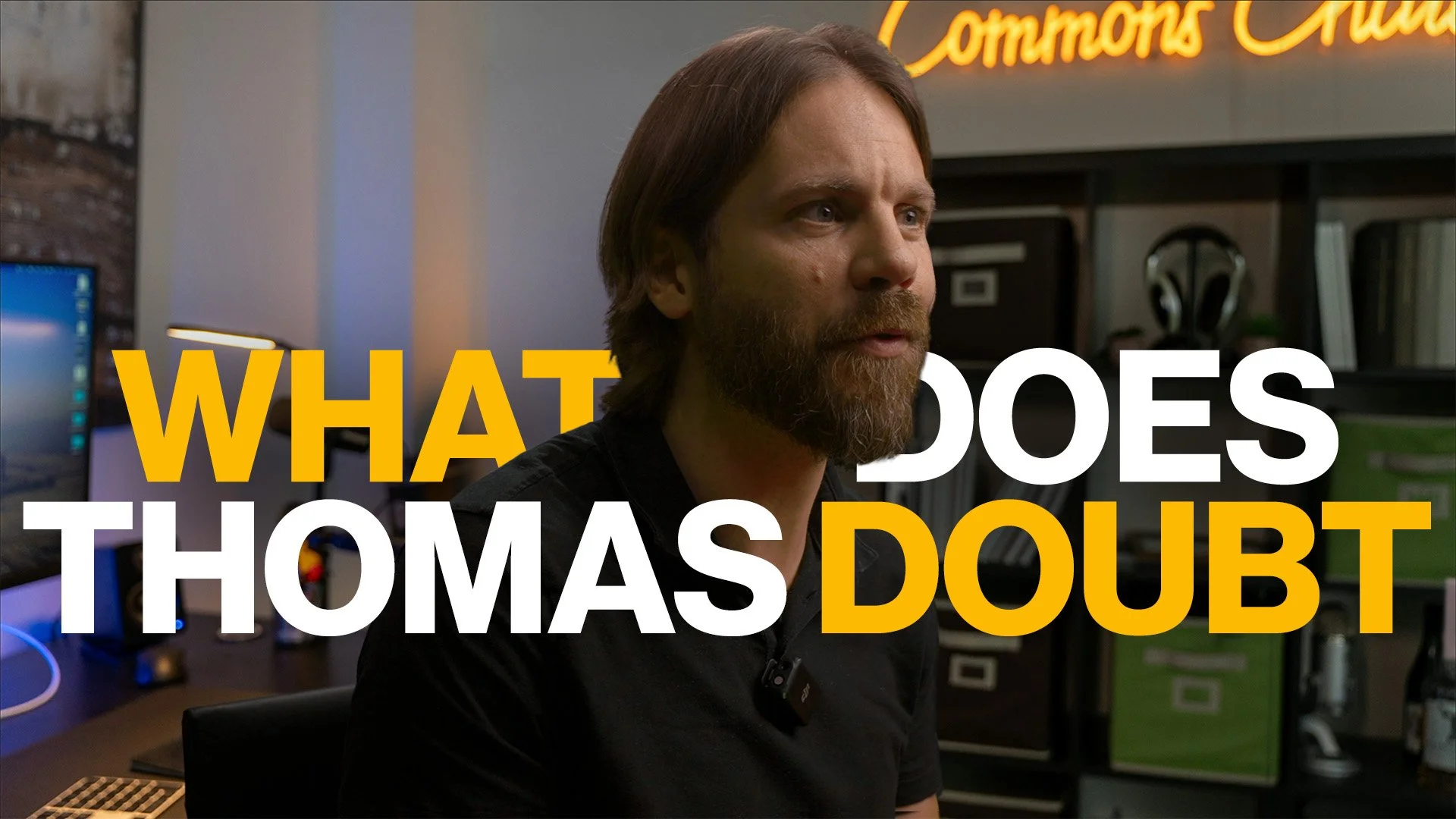
Faith, Doubt, and the Risk of Trust
Thomas isn’t just the disciple who doubted the resurrection. At the Last Supper, he asked a question that led Jesus to say: “I am the way, the truth, and the life.” Far from being opposites, faith and doubt are twins, inseparably bound in the risk of trust.

The God Who Stops the Knife
Let’s explore how Isaac becomes a type of Christ not because God requires blood, but because God interrupts the very idea of sacrifice. And how Jesus, in his death and resurrection, brings that interruption to its fullness. If Isaac is where God stops the knife, Jesus is where God ends sacrifice for good.
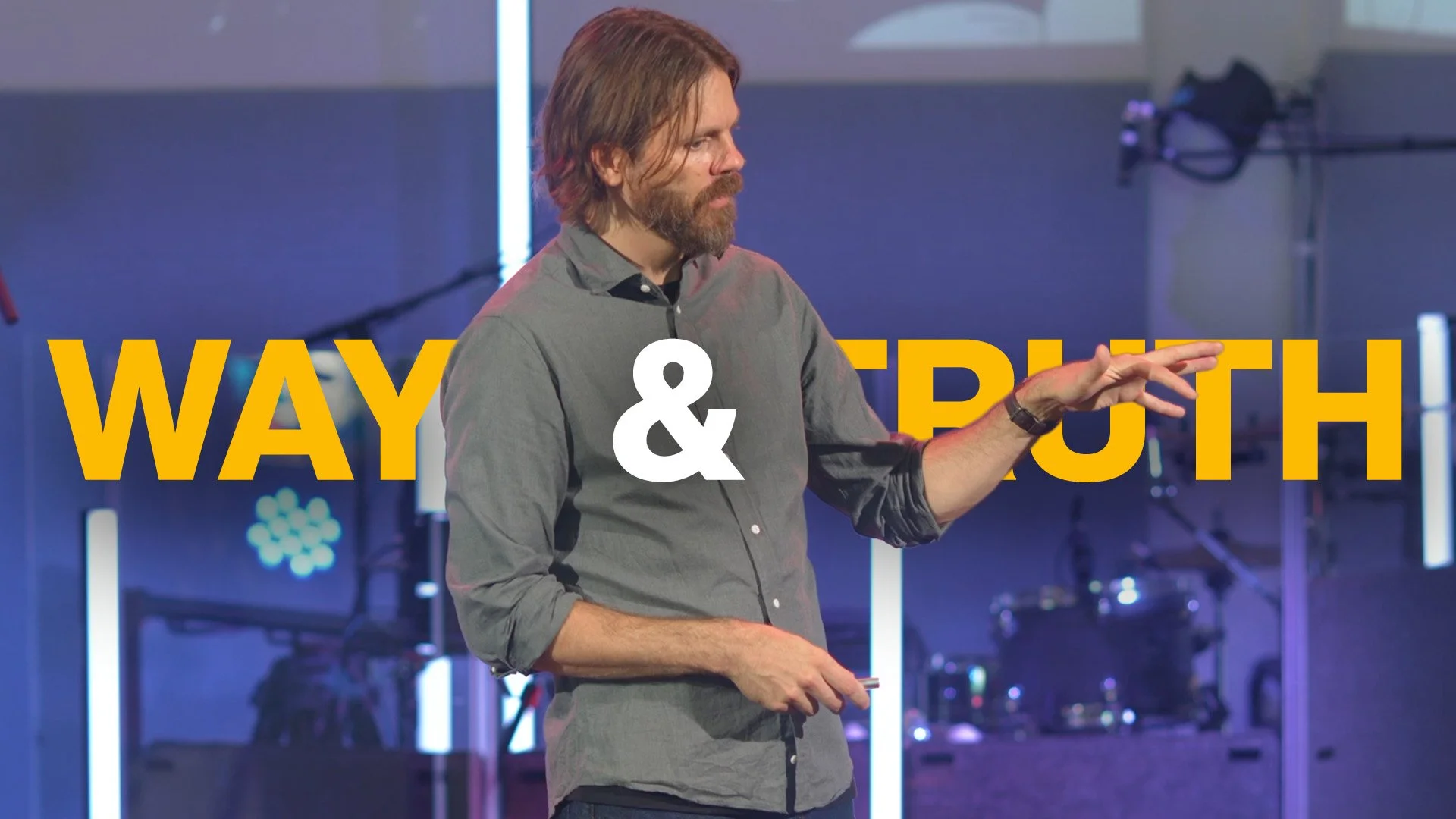
The Way, the Truth, and the Life
When Jesus says, “I am the way, the truth, and the life. No one comes to the Father except through me,” it’s easy to hear it as a threat—follow or else. But what if Jesus’ words are not about exclusion, but about invitation?
Walking the Emmaus Road with Nobodies
After the resurrection, Jesus appears on the road to Emmaus—but not to Peter, James, or John. Instead, he spends the day walking with two almost anonymous disciples. Who were Cleopas and his companion? Could they have been part of Jesus’ own family? And why would Jesus spend one of his forty resurrected days with them?

The Twin Who Walks With Us
The Apostle Thomas is often remembered as “Doubting Thomas,” but his story is far more complex—and far more inspiring. In John 11, Thomas is the one disciple ready to follow Jesus into danger, even if it means death. What does it mean that Thomas is called “the Twin”? And how does his story reflect our own journey of faith, doubt, and courage?
When We Rewrite Grace as Strength
One of the subtle truths in the Exodus story is how quickly we can take unearned grace and turn it into a story about our own strength.

The Beauty of Singing Songs You Don't Like
Finding music everyone loves in church? Impossible. But maybe that’s the point. So let’s explore why singing—even songs you don’t personally enjoy—can bond us, teach us, and heal us in ways sermons can’t. Learn why the shared act of worship matters more than musical preference, and how singing together reaches the deepest parts of who we are.

Scripture Always Points to Jesus
The Bible tells many stories—of kings, prophets, and nations—but underneath it all is a bigger narrative arc. One that has always been leading us toward Jesus. In this sermon, Jeremy Duncan explores the road to Emmaus, the layers of scripture, and why Jesus is our clearest picture of God.

Remembering Walter: Lament, Imagination, and the Church We Could Be
Walter Brueggemann (1933–2025) was one of the most influential Old Testament scholars of our time—an educator, theologian, and prophetic voice whose work shaped countless pastors, students, and communities.

When Knowledge Isn’t Enough
I love studying the Bible. Context, history, original languages, even archaeology—these are gifts that help us understand the story. But as much as I value scholarship, I’m also a pastor. And that means study is never an end in itself. Whatever we learn, whatever new insight we uncover, it has to land in an encounter with Jesus.

Sacred in the Ordinary: Rediscovering the Divine in Everyday Life
One of the things I’ve always found beautiful about Christian spirituality is how earthy it is. It doesn’t shy away from the physical or the ordinary; in fact, it embraces them fully. This is not a spirituality that asks us to escape the world, but one that invites us deeper into it.