
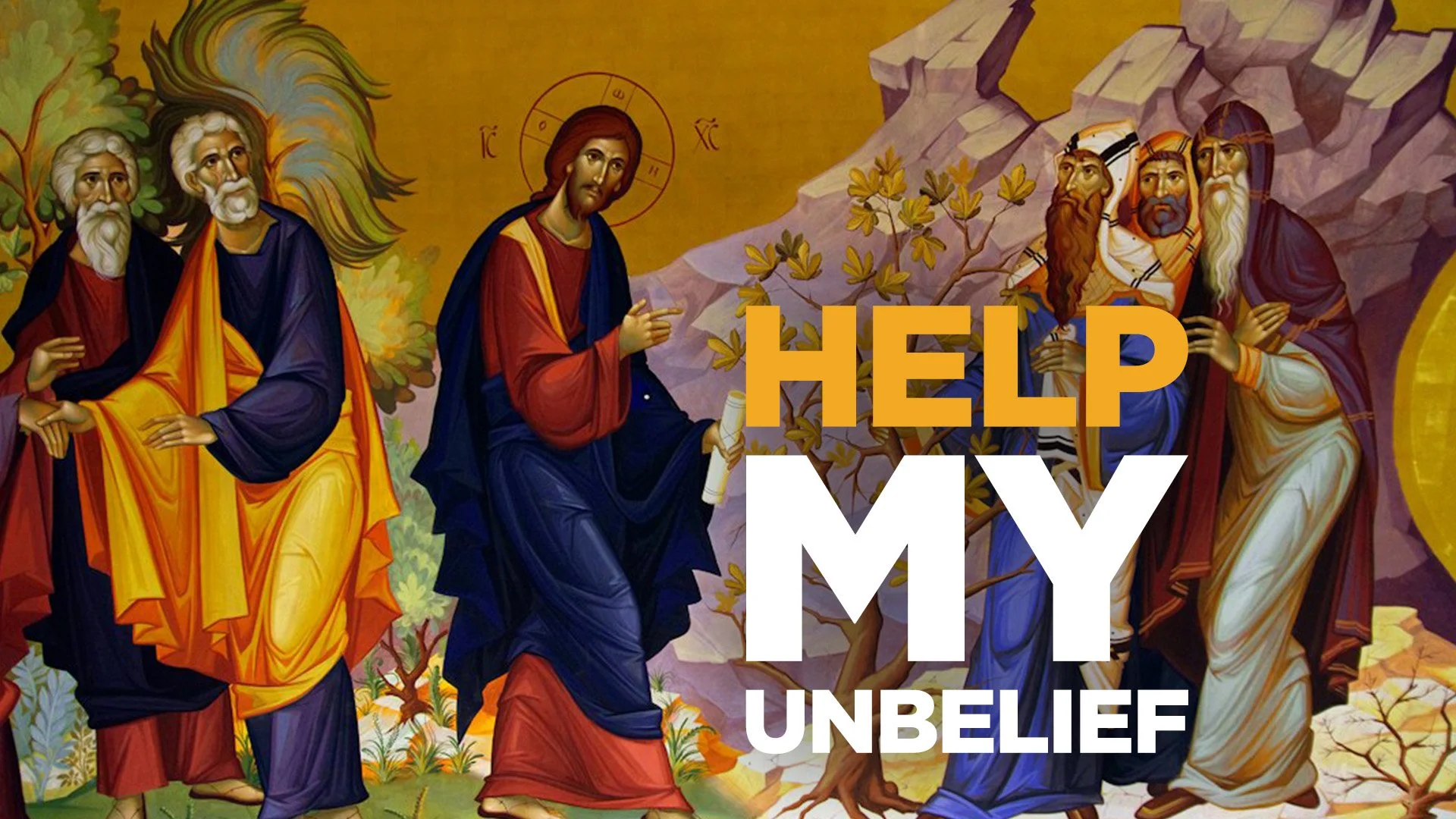
The Prayer I Wake Up to Every Morning
Right after Jesus is revealed in glory on the mountain, Mark takes us down into the valley. There's a boy who's been suffering since childhood, a set of disciples who can't help, and a father running on nothing but fumes. How do the world made right and the world as it is ever meet?
Do It Badly Before You Do It Well
Most of us aren't stopped by the fear of trying something new. We're stopped by the fear of not doing it perfectly. We'd rather miss out entirely than fail spectacularly. So I've got a phrase I use on myself: veggie with bacon. It came from an A&W drive-thru, and it's become my reminder that small, imperfect steps in the right direction beat dreaming about the day we finally arrive.
The Victor Who Gives His Gifts Away
Paul quotes Psalm 68 in Ephesians 4, and he gets it exactly backwards. The psalm describes a conquering king who receives gifts, even from the rebellious. Paul says the victor gives gifts away. So is it a mistake? A textual error? Something lost in translation?
Very Few Shots Left to Call
For most of the book of Acts, Paul is a force of nature. He picks the city, preaches, leaves when things go sideways and decides where to go next. Then he gets on a boat to Jerusalem, and one by one the decisions stop being his. He's arrested, nearly assassinated, left in a Caesarean jail for two years and finally shipped off to Rome by people who keep making a mess of it.
Gods Made by Human Hands
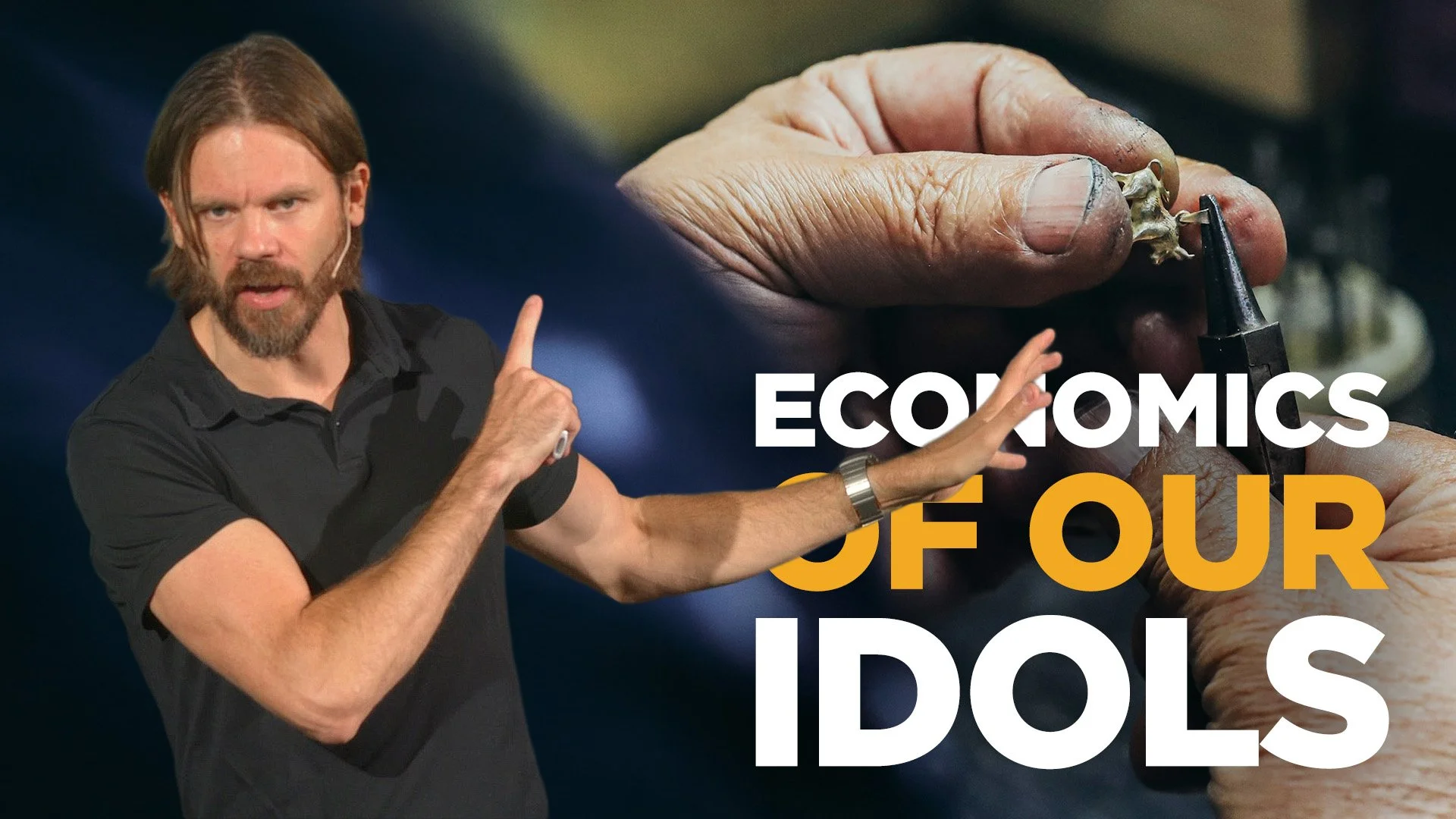
Demetrius makes his living selling silver shrines of Artemis. When Paul starts convincing people that gods made by human hands are no gods at all, Demetrius calls a meeting. And notice who he calls. Not the priests. Not the most devoted worshippers. He goes straight to the people whose income depends on the tourist trade.
A Church Should Belong to a Neighbourhood
Commons is a growing community. We run multiple services every Sunday, and the number of people who attend and move through our building on a Sunday is pretty remarkable. But why are we choosing to grow by launching a second parish instead of, let’s say, leveraging our inner city property in Kensington to find a bigger facility somewhere else in the city?
A Leader Who Doesn't Hold On Too Long
In Acts 20, Paul says goodbye to the leaders of the church in Ephesus. He's convinced he's never coming back. And what looks like an unremarkable transition between two bigger stories turns out to be the moment Paul realizes everything he helped build is going to outlast him.
The Best and Worst of Substitutionary Atonement
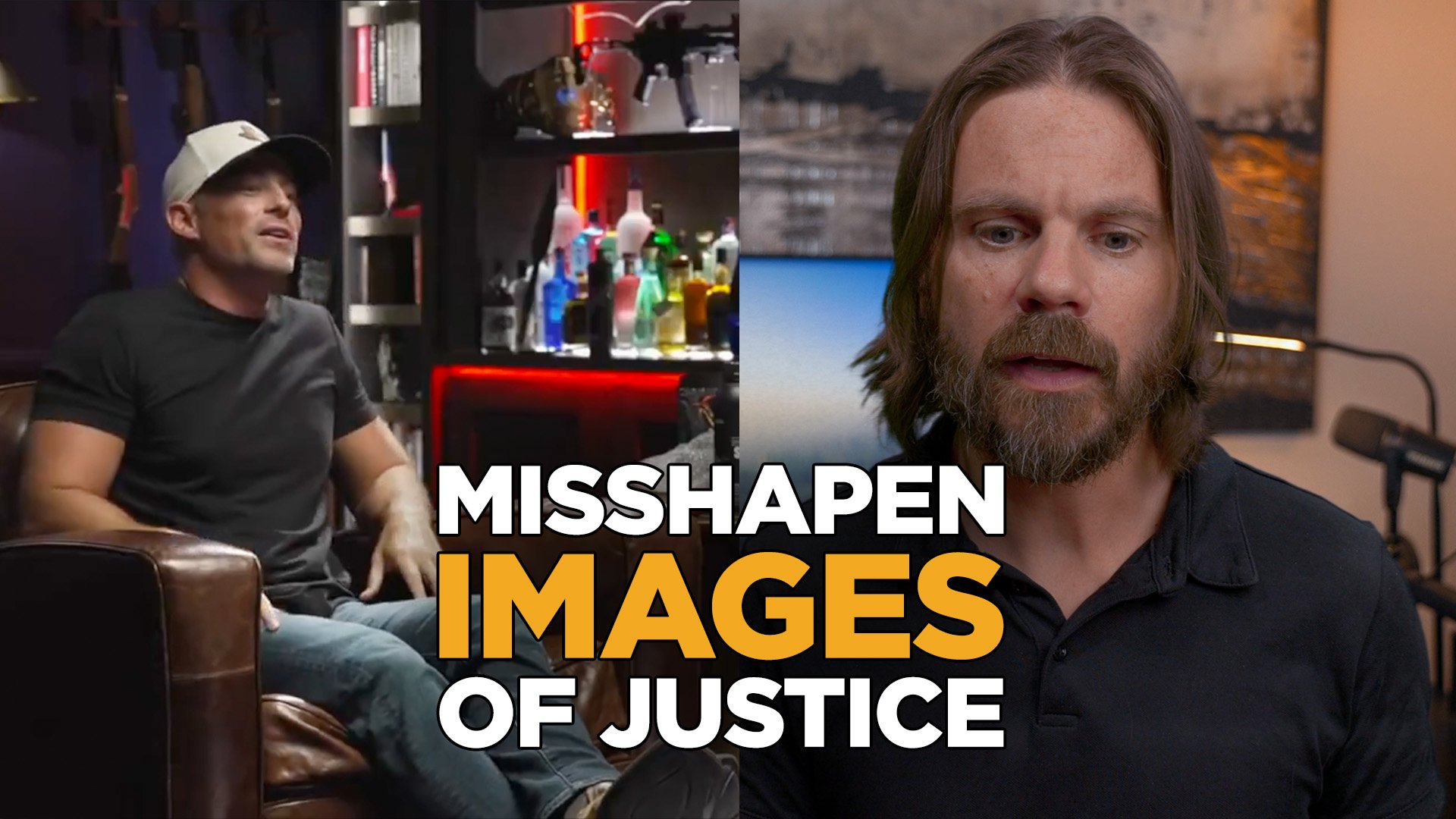
A few people have sent me this clip from Josh Howerton, I think because I've been critical of penal substitutionary models before. And it's a genuinely interesting clip, because it manages to demonstrate both the best and the worst of substitutionary language about the cross in about sixty seconds.
Why Antioch Sent Away Its Best
When the church in Antioch was thriving, their first instinct wasn't to protect what they'd built. It was to send their very best out the door. In Acts 13, the Spirit sets apart Barnabas and Paul, and the imagination of the early church begins to shift from the centre out to the margins in. What if the future of the church was never meant to look like ketchup on everything? A conversation about expansion, imagination, and what it actually means to become all things to all people.
Murderer's Row: The Church Jerusalem Didn't Expect
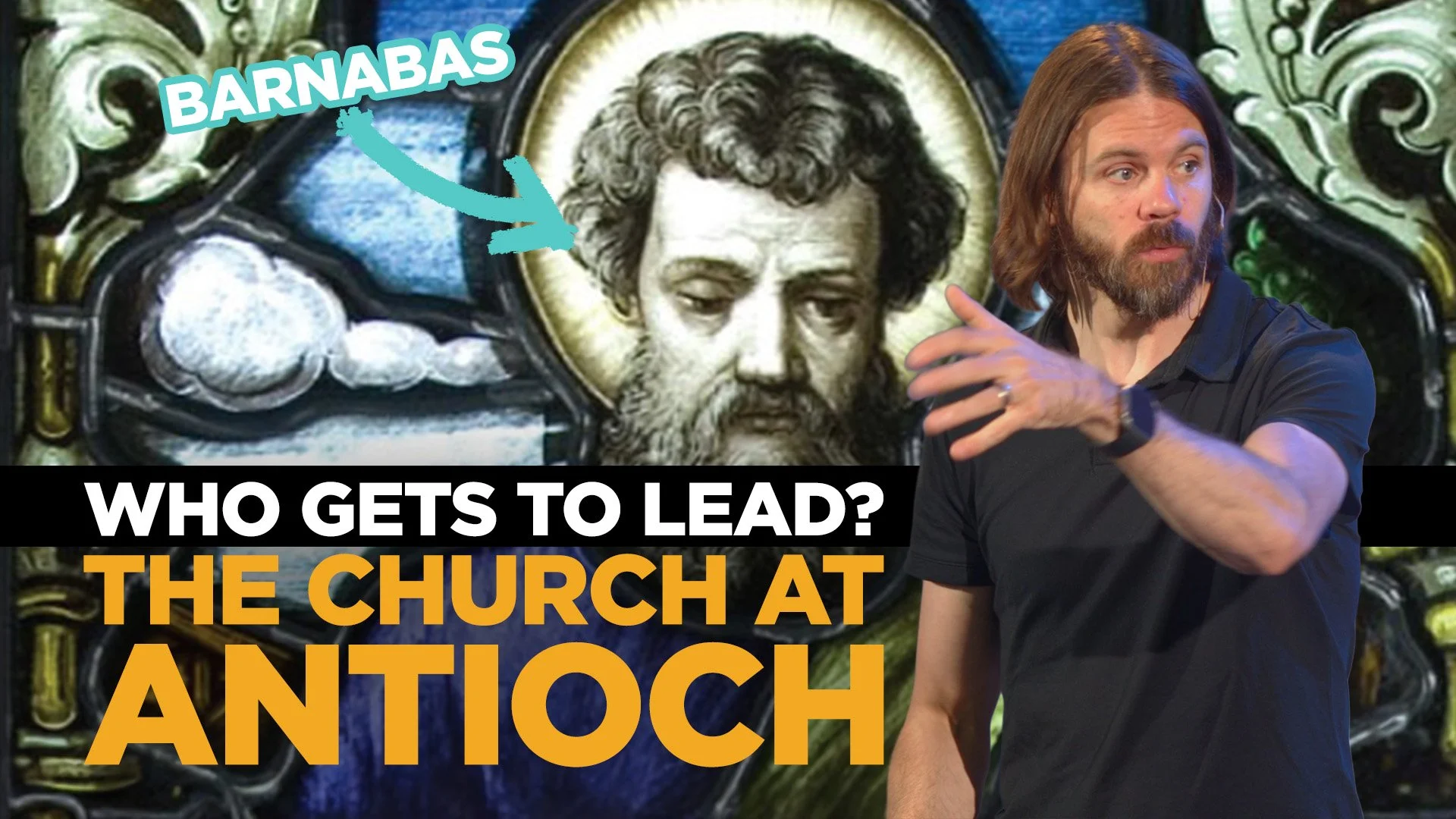
The church at Antioch starts with a roll call of names nobody in Jerusalem would have chosen: a displaced Levite, Simeon "the black one," a man with a Roman name first-century Jews would have heard as enemy, a foster brother of the king who murdered John the Baptist, and Saul, the persecutor nobody had heard from in a decade. This is a ground-up, grassroots, lay-led explosion of good news, and it looks nothing like what the establishment expected.
A Beautiful Disruption
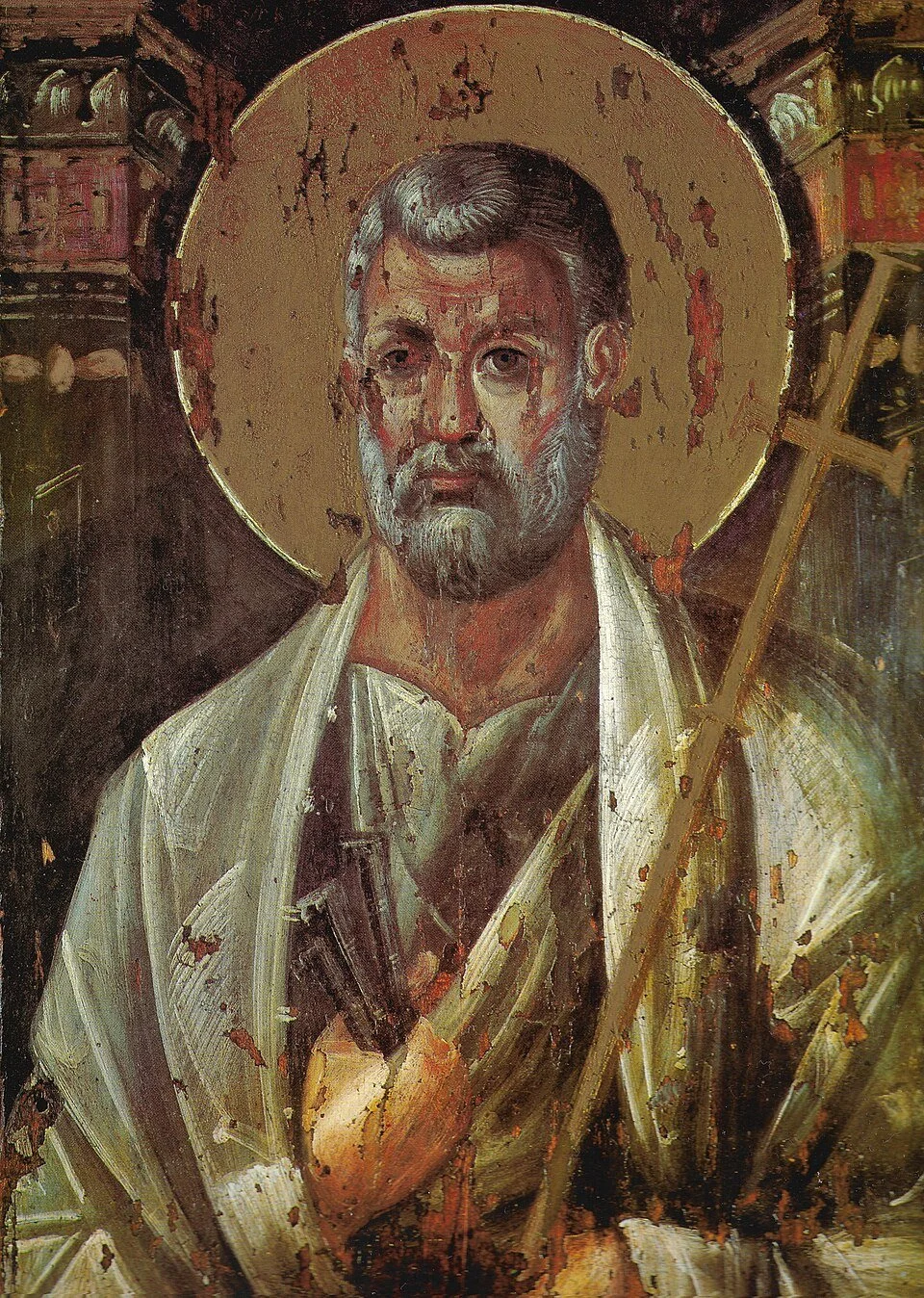
In Acts 2 we get this neat glimpse into the early Church and how they were thinking about the Jesus story. In fact, when Peter stands up on the day of Pentecost, flanking by the other disciples, to address a skeptical crowd he’s actually giving the first sermon of the church era.
What If Our Familiarity With God Is the Problem?
In this clip, we explore why good theology begins with gratitude and humility, and why our attempts to become too familiar with God may actually shrink the divine down to our size. Drawing on the work of Georges Lemaître, the priest and physicist behind the Big Bang theory, along with Tolkien, Pete Holmes, Paul Tillich, and the Apostle Paul, this is a meditation on transcendence, incarnation, and the mystery of existence itself.
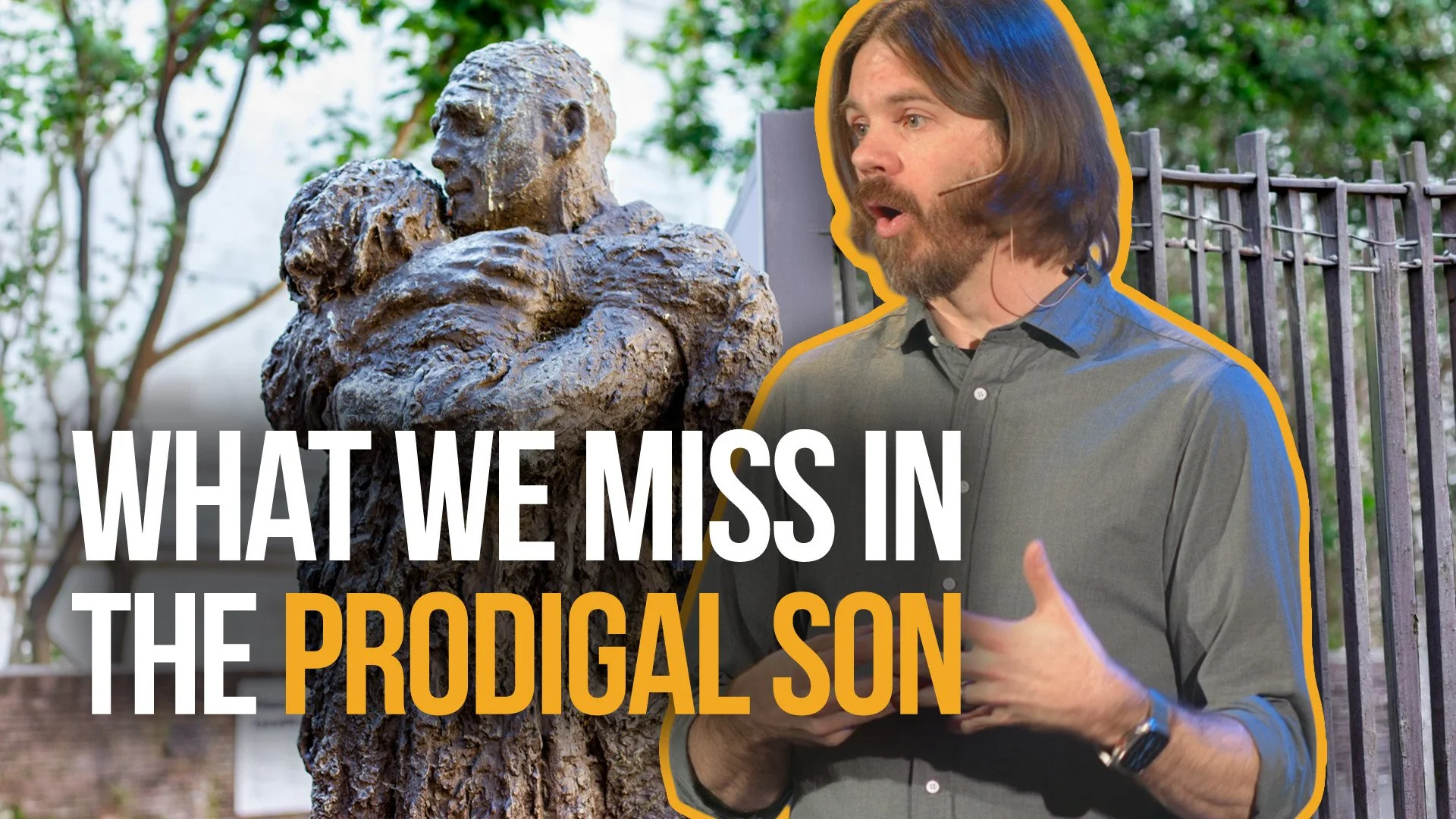
The Party We Refuse
We all think we know the story of the Prodigal Son. We love the imagery of the wandering child hitting rock bottom, remembering home, and running back into the arms of a lavishly graceful father. But what if that beautiful reunion is actually just the setup? What if the real trap of Luke 15 is aimed directly at those of us who think we’ve been in the right all along?
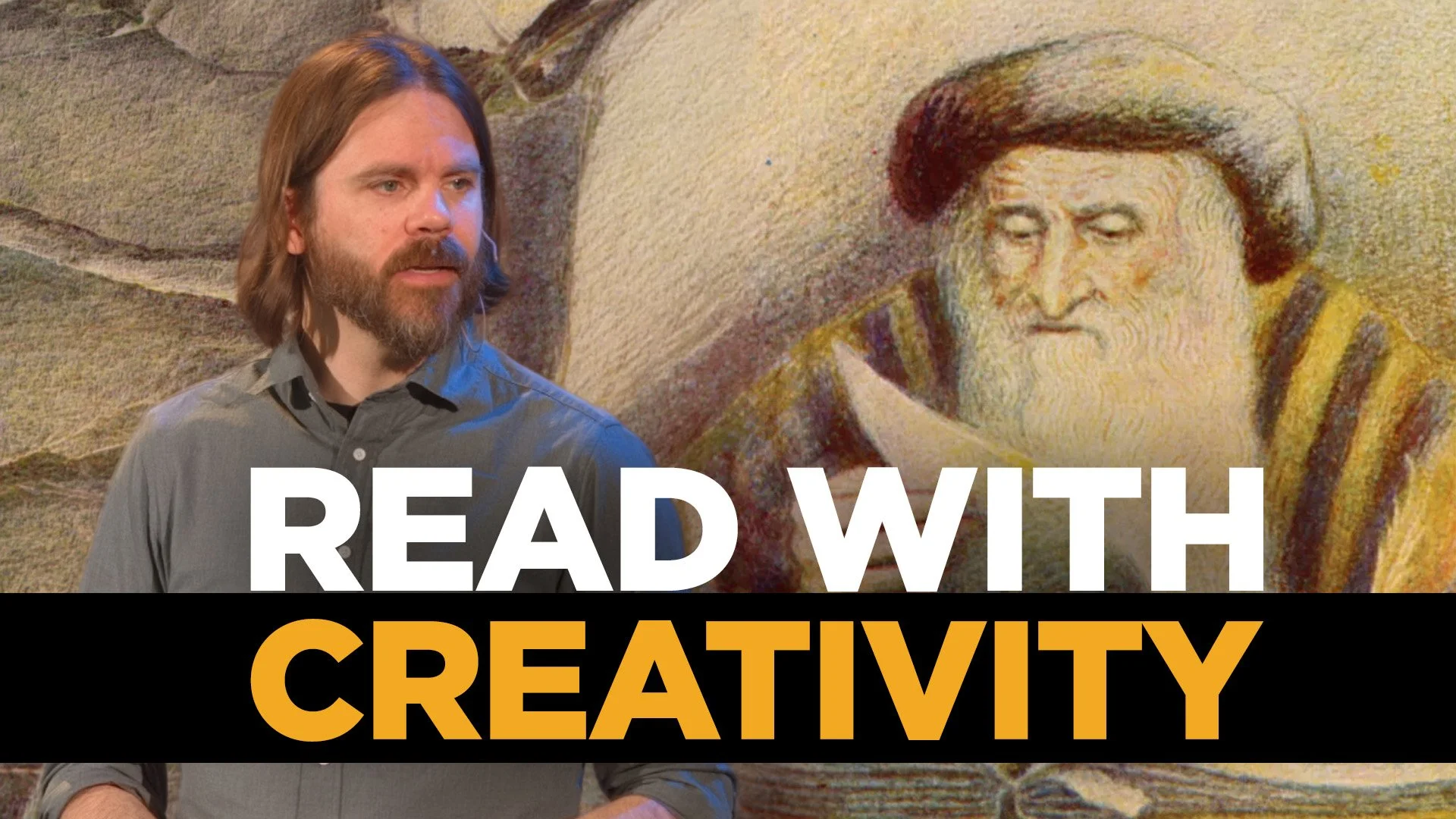
The Binding of Isaac and the Gift of Midrash
What if some of the most important parts of Scripture are the things left unsaid? In this reflection on the binding of Isaac (Genesis 22), we explore the Jewish practice of midrash through the famous commentary of Rashi. Rather than flattening difficult stories into tidy answers, midrash opens the text up — inviting imagination, questions, tension, and self-examination.
The Kind of Person Who Notices a Miracle
What if the miracle in Acts 8 didn’t begin on the road to Gaza? Let’s look at the story of Philip and the Ethiopian official, not as a random supernatural interruption, but as the culmination of a life shaped by wisdom, attention, and care for overlooked people.

The Ground of Being
Organisms are interdependent. Cells are interconnected. Molecules are strings of atoms. Atoms are collections of particles. Those particles are groups of quarks, which are waves of bosons, which are just relationships of energy that glue the universe together. There’s absolutely no point in existence where anything that exists, exists on its own.
Humility Versus Humiliation
Changing your mind based on new information might be humbling, but it is not a humiliation to admit that you were wrong. It is actually a blessing. Look at an encounter in Luke 13 where Jesus heals a woman on the Sabbath. While the text says his opponents were "humiliated," we take a closer look at Jesus’ actual intent. Is he trying to shame his critics, or is he inviting them into a different way of seeing the world?
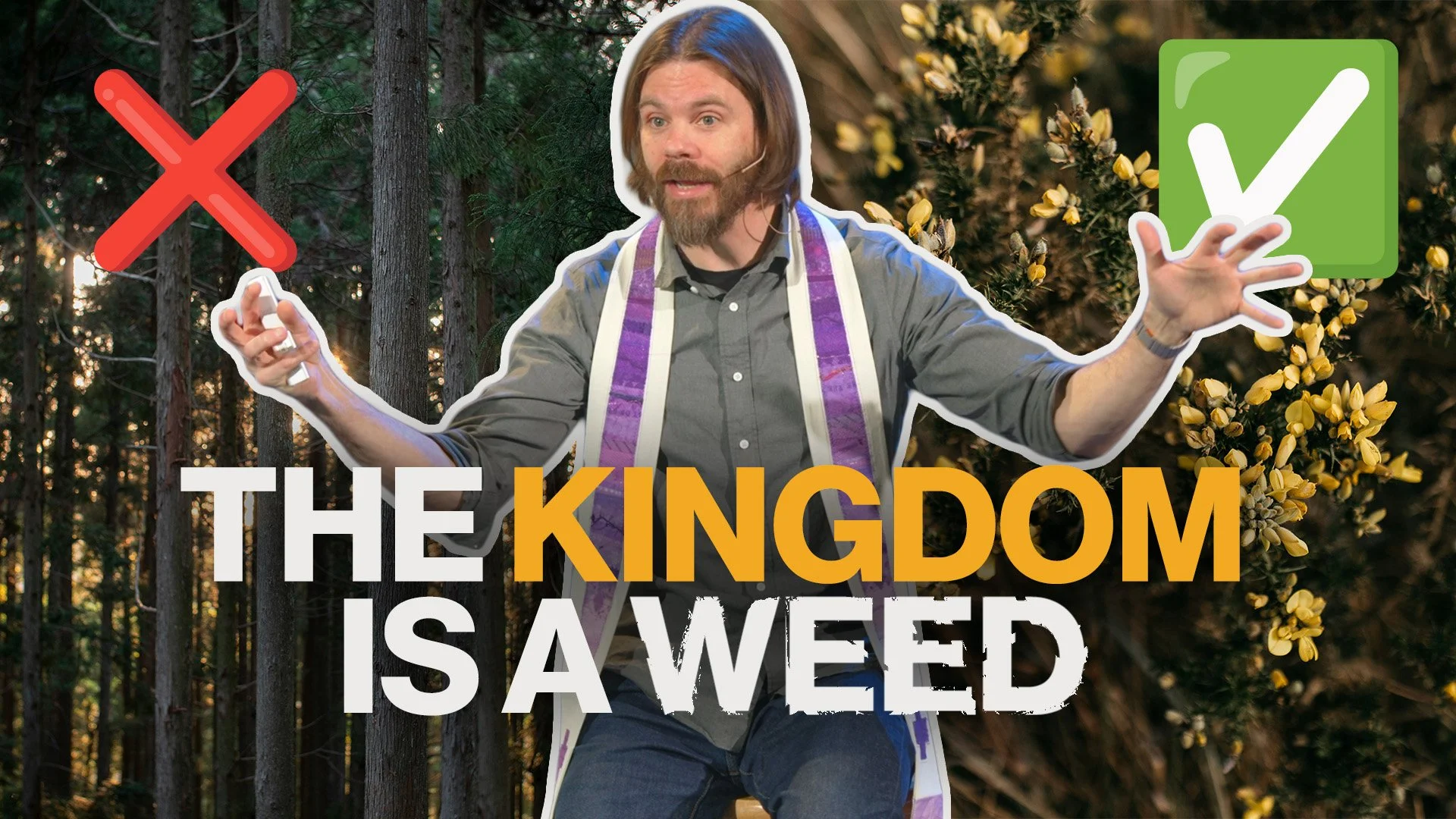
The Scrubby Kingdom of Jesus
The Mustard Seed is one of those images I think we’ve gotten entirely wrong. This parable isn’t about a kingdom that surprises us with its scale. It’s about a kingdom that surprises us with its character. At least that’s what Luke thinks.
Only So Much Good to Go Around?
I think there are at least two ways we tend to misread the idea of blessing.
One is loud and obnoxious. It tells us that if God is good, then the evidence should show up in visible, measurable success. Health and wealth, (whatever that means) but fundamentally a life that is, in some tangible sense, ahead of everyone else around us. Call it the prosperity gospel if you want, or just call it what it is, a way of confusing God’s blessing with material increase.

Heavy with What We Carry
Abraham walks away from Egypt with silver and gold—but at what cost? In this reflection on Genesis 12–13, we explore one of the Bible’s more difficult stories. Did Abraham really get off scot-free after selling out his wife? Or is there more going on beneath the surface of the text? We’ll look at the Hebrew wordplay, the cultural biases we bring to Scripture, and how this story might be less about blessing and more about burden.