
The Victor Who Gives His Gifts Away
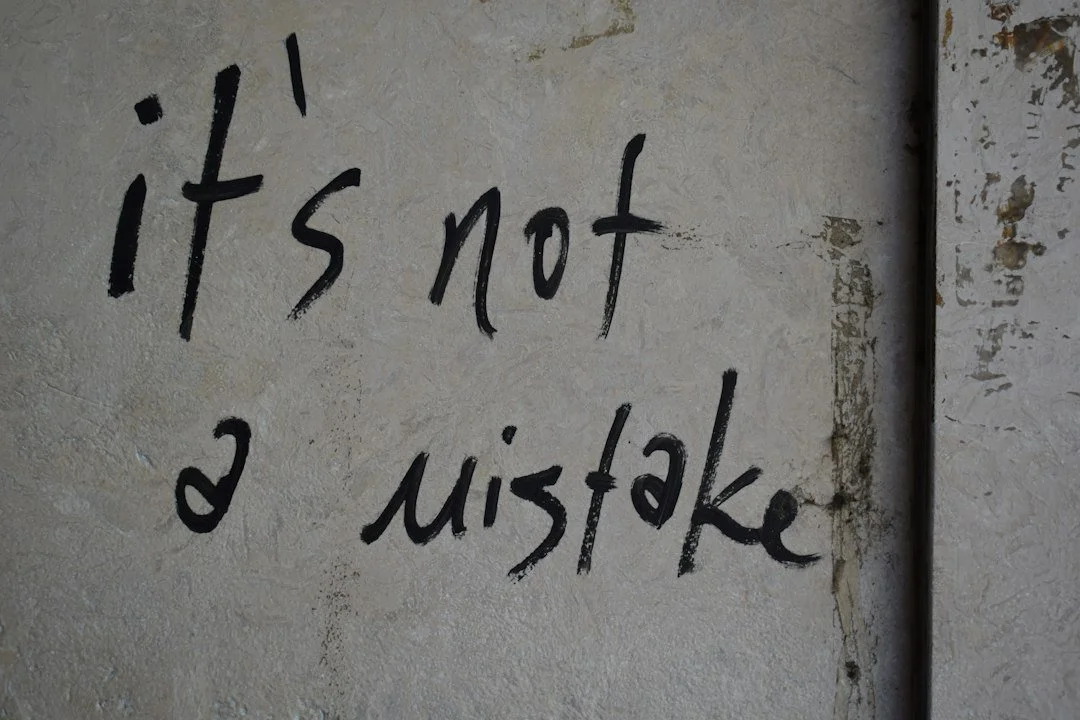
Paul quotes Psalm 68 in Ephesians 4, and he gets it exactly backwards. The psalm describes a conquering king who receives gifts, even from the rebellious. Paul says the victor gives gifts away. So is it a mistake? A textual error? Something lost in translation?
The Scrubby Kingdom of Jesus
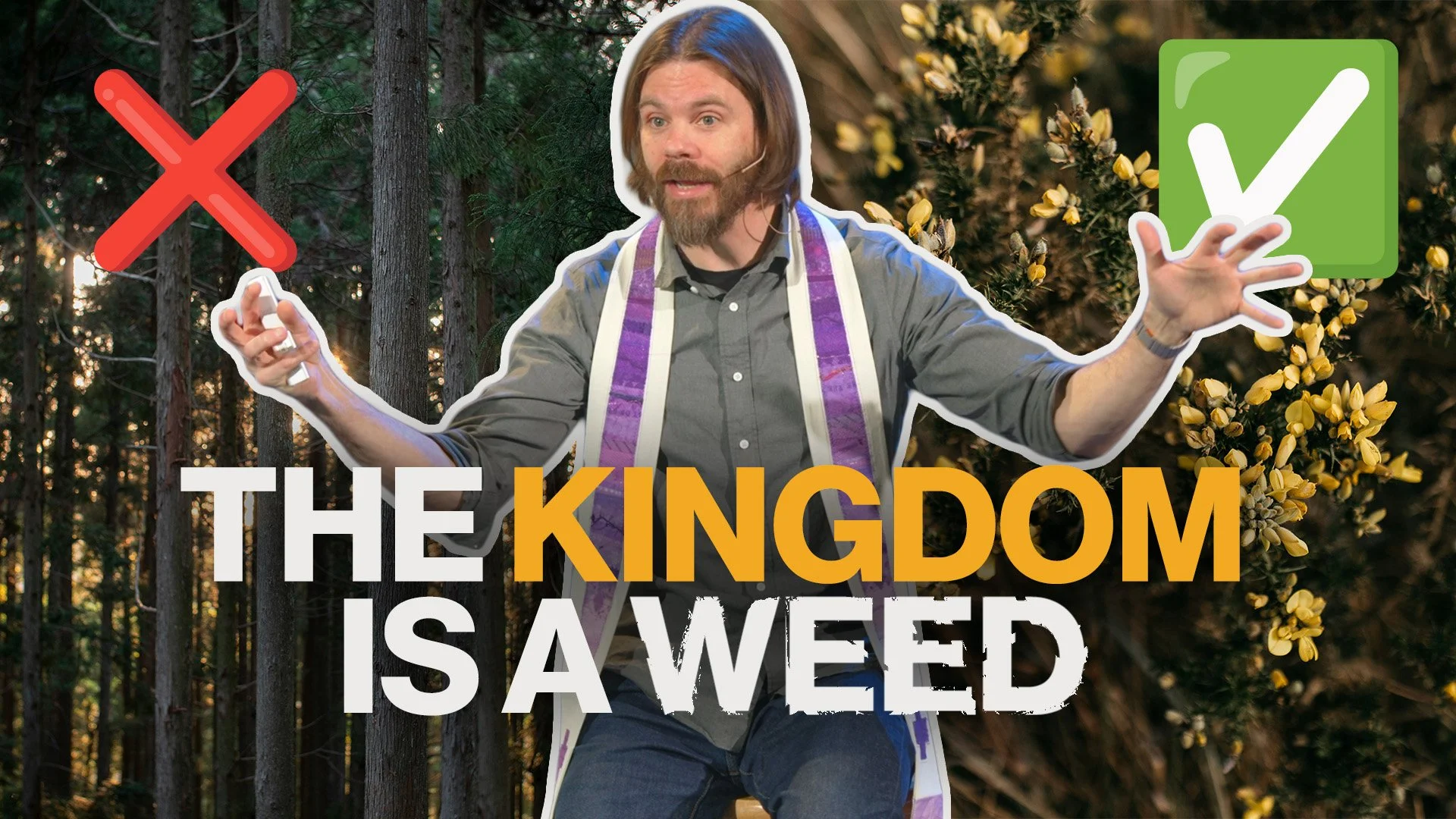
The Mustard Seed is one of those images I think we’ve gotten entirely wrong. This parable isn’t about a kingdom that surprises us with its scale. It’s about a kingdom that surprises us with its character. At least that’s what Luke thinks.

Heavy with What We Carry
Abraham walks away from Egypt with silver and gold—but at what cost? In this reflection on Genesis 12–13, we explore one of the Bible’s more difficult stories. Did Abraham really get off scot-free after selling out his wife? Or is there more going on beneath the surface of the text? We’ll look at the Hebrew wordplay, the cultural biases we bring to Scripture, and how this story might be less about blessing and more about burden.
When Eternal isn't Forever
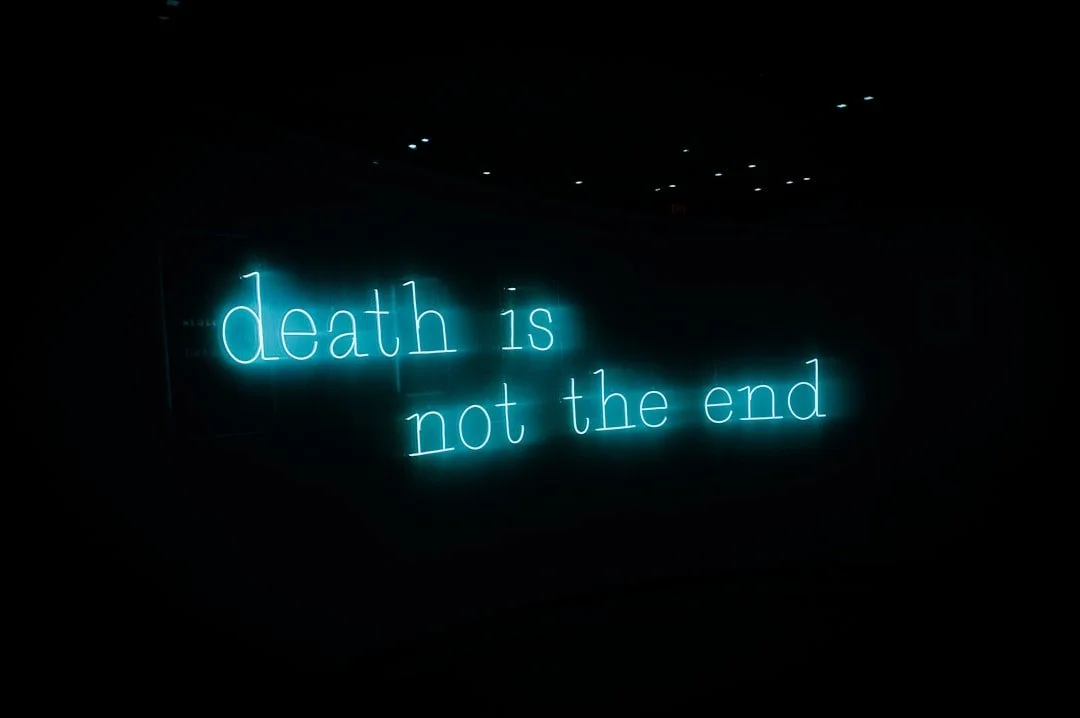
In English, we often read the word “eternal” in Jesus’ parable. But in Greek, the word is aiōnios, the adjectival form of aiōn, the just same word the disciples use when they ask about the end of the age. Jesus is answering their question.
The words Behind the Word
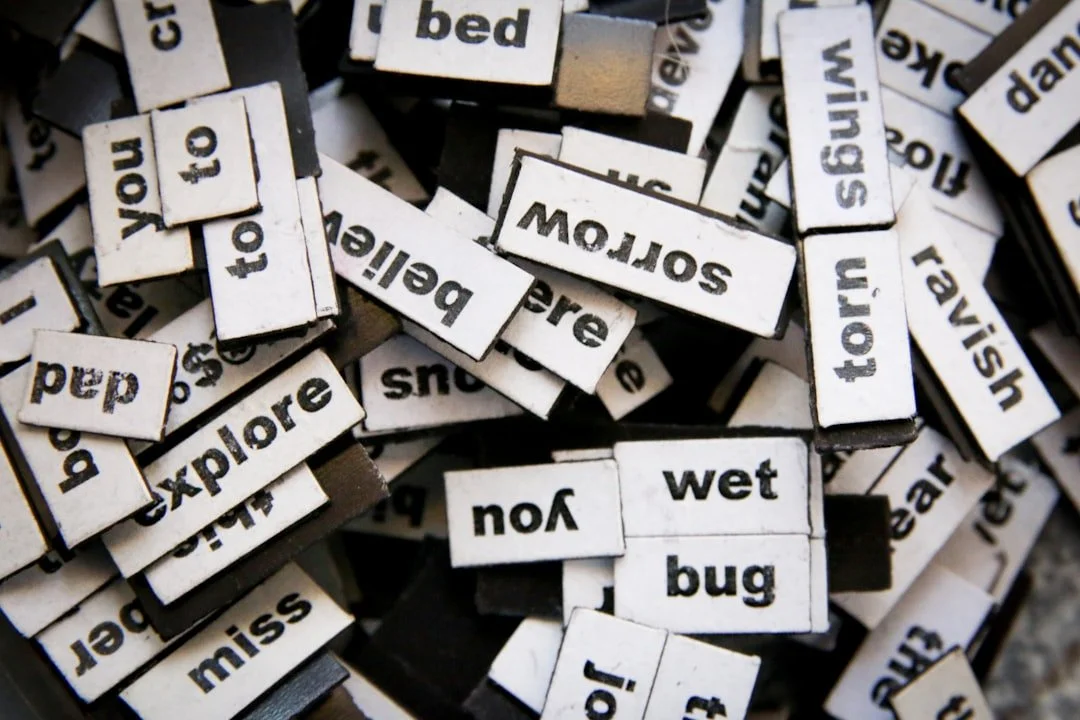
John does this brilliant thing where he plays with words in his opening. He says, "In the beginning was the Word, and the Word was with God, and the Word was God." And that word "word" is the Greek word logos. Now, logos means word, but it also has this rich philosophical subtext.

Armageddon Isn't Something to be Afraid Of
A lot of people who have never properly studied Revelation are once again talking about Armageddon. I get it. War is scary so it can be comforting to pretend that all of this is part of some divine plan. But this is not what Armageddon is about.
What Was the Sin of Sodom, Really?
Sodom is a pretty infamous story. But what exactly was going on there for it to end so spectacularly? And, perhaps more important, what was a story like this told for?
Armor of God is The Armor of Peace
There’s a famous passage in Ephesians where Paul tells his readers to “put on the full armour of God,” and for centuries we’ve speculated about exactly where this image comes from. One possible answer is perhaps also the simplest: Paul is writing from prison, probably in Rome, and he’s got nothing to do but stare at the guard standing in front of him.
The Word About the Word
What do we mean when we talk about the word of God?
For most of my Christian life, the answer was reasonably simple. The word of God was the Bible. That big book I have a bunch of copies of on my shelf.
Bricks, Babel, and the Technology in Your Pocket
Let’s explore how one of the Bible’s oldest stories speaks directly to our modern relationship with technology. From the invention of bricks in Genesis 11 to the unimaginable computing power we now carry every day, Scripture reveals a recurring pattern: creativity gives way to efficiency, efficiency to uniformity, and uniformity to the centralization of power.
The Father Who Followed the Moon
Before Abraham ever heard God’s call, his father Terah had already begun the journey. But Terah came from a world shaped by the worship of the moon—a reminder that God’s story often begins long before we recognize it.
What Luke gets Wrong. And Very Right About Jesus' Birth.
One of the most important insights we have into Jesus childhood is hiding in plain sight in the Christmas story. There's is moment in Luke's gospel, where Mary needs go to the temple to perform her purification rights, and Jesus also needs to be consecrated. Luke seems to mix up some of the details but he gets the most important one exactly correct.
Walking the Emmaus Road with Nobodies
After the resurrection, Jesus appears on the road to Emmaus—but not to Peter, James, or John. Instead, he spends the day walking with two almost anonymous disciples. Who were Cleopas and his companion? Could they have been part of Jesus’ own family? And why would Jesus spend one of his forty resurrected days with them?

The Twin Who Walks With Us
The Apostle Thomas is often remembered as “Doubting Thomas,” but his story is far more complex—and far more inspiring. In John 11, Thomas is the one disciple ready to follow Jesus into danger, even if it means death. What does it mean that Thomas is called “the Twin”? And how does his story reflect our own journey of faith, doubt, and courage?

Who Wrote Colossians? And Does It Matter?
Recently, I spoke about the letter to the Colossians, one of the so-called disputed letters of Paul. Some scholars doubt that Paul himself wrote it. The language, they argue, is too poetic, too cosmic, too polished to be Paul. But for me, that critique doesn't diminish the letter. In fact, it deepens my appreciation for how early Christians worshipped, shared ideas, and expressed their faith.

Bathsheba, David, and the Legacy of Unchecked Sin
Was Bathsheba to blame? Did David abuse his power? And what does this infamous story in 2 Samuel reveal about generational sin, trauma, and legacy?
Are There Verses Missing from Your Bible?
Have you ever been reading your Bible and noticed a missing verse? Maybe you were flipping through John 5 and saw that verse 4 simply isn’t there in modern translations like the NIV, ESV, and NLT.
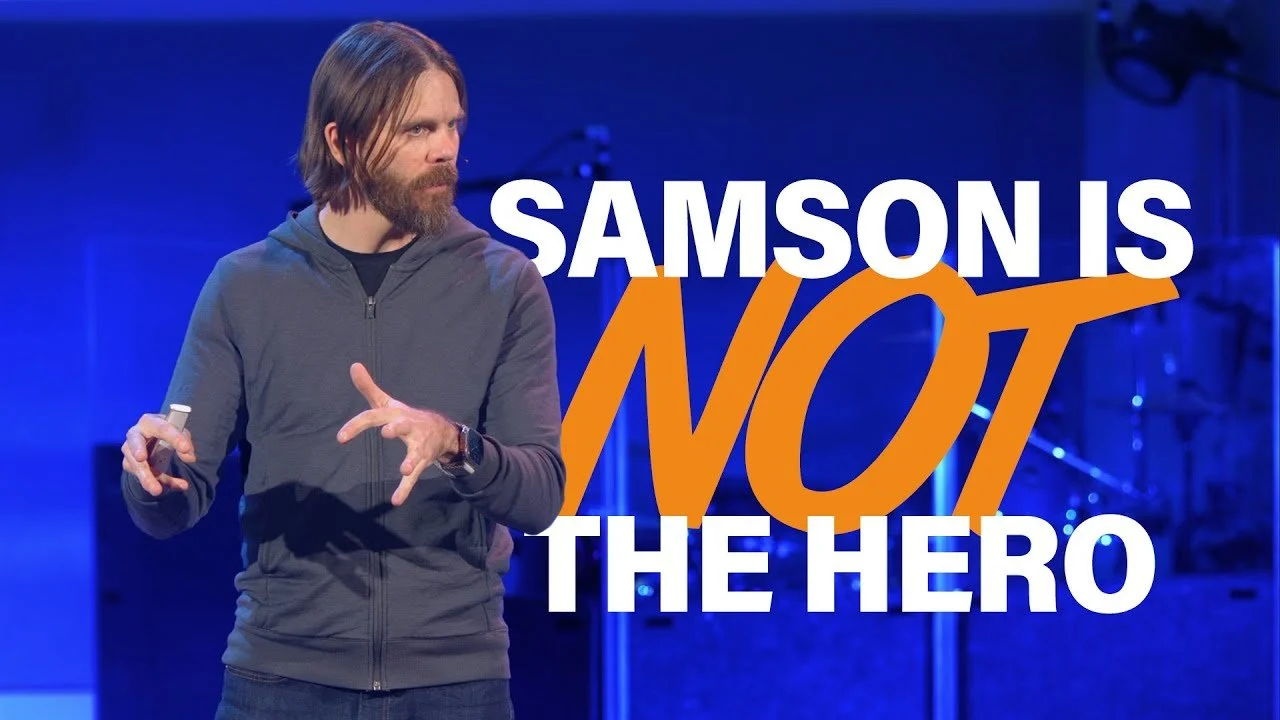
A Riddle Starts a War: Samson & the Escalation of Revenge
Samson’s story is one of the most famous in the Book of Judges—but when you really read it, it’s also one of the most tragic, violent, and honestly, ridiculous stories in the Bible.
The Last Word is Emmanuel: Context is Everything
When we read the Hebrew prophets, one of the biggest challenges we face as modern readers is understanding the historical and political context behind their words. The famous prophecies we quote today were often shaped by complex geopolitical conflicts—something we tend to overlook.
Zacchaeus: The Parable Behind the Parable
Jesus’ parables weren’t just random stories dropped into the Gospel narratives—they were responses to real moments, real people, and real conflicts happening around him. And sometimes, understanding the original context completely changes how we read them.