
When Our Hearts Are Hardened
In his recounting of Jesus walking on water, Mark uses a curious phrase. He tells us that the disciples hearts were hard. That's a phrase that shows up a few times in the Bible; think of Pharaoh's heart. However, I think Mark is using this in a different way primarily to talk about a lack of imagination. All the ways that disciples miss the truly miraculous that's right in front of them. The Divine shows up in more ways than we know.
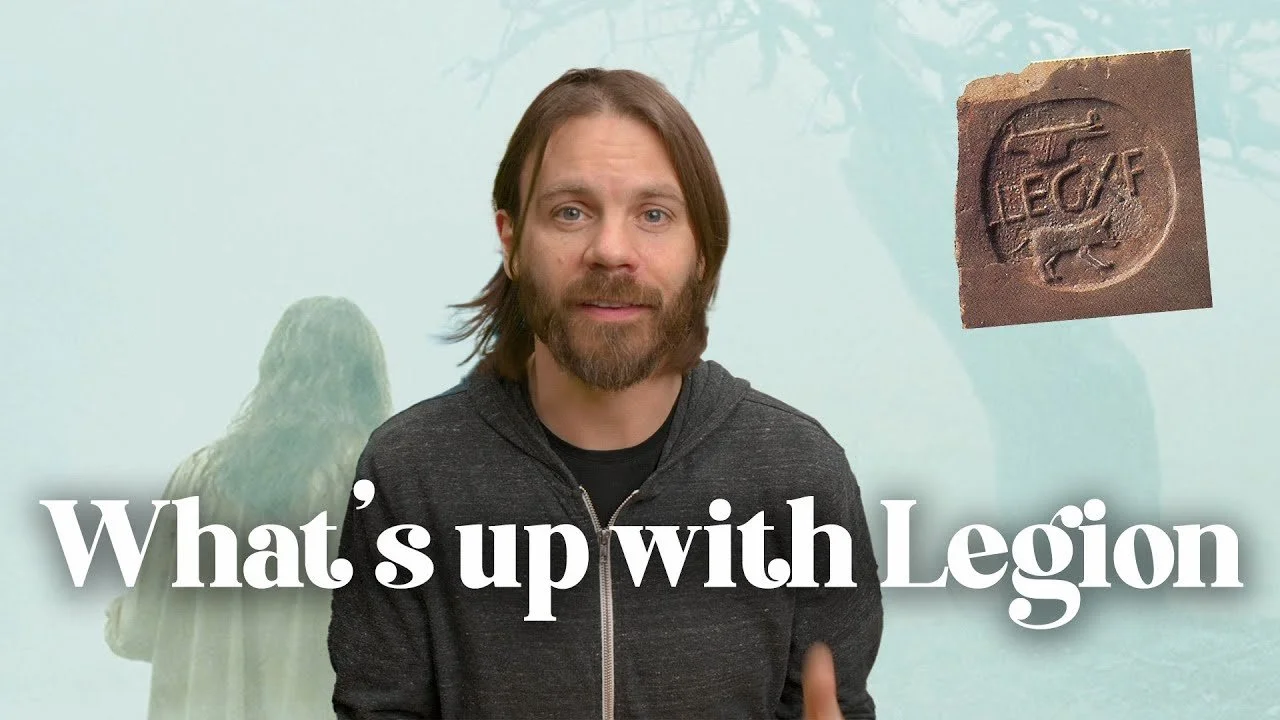
What Mark 5 Tells Us About Demons, Borders, and Belonging
We cross Lake Kinneret and delve into the story of Jesus encountering a man possessed by demons. The conversation gets a little scary, political, and eventually, heartfelt. You'll find yourself entranced as we discuss the metaphoric representation of the man's possession and Jesus' role in calming the storm and freeing the man.
Every Kindness Is Saving a Life
At the start of Mark 3, we find Jesus speaking to his distractors, and this time he brings up Sabbath. Here he's back in the synagogue on the Sabbath and in the congregation there's a man with a "shriveled hand", and Jesus asked his detractors this time, which is lawful on the Sabbath to do good or to do evil, to save a life or to kill. But they remained silent. Now, the reason they remain silent is they know what Jesus is going to do, right, but also because Jesus is referring here to a particular teaching of the Pharisees.
New Wine and Old Wineskins: When It's Time to Begin Again
When people try to pit Jesus against the Pharisees, his basic first response is, "well, that's their thing, this is mine." And sure, of course, later Jesus will go after. He will critique particularly those people who he sees wielding power over and against the common people, but generally, as a mission statement for his life, he is not all that enamored with tearing things down, at least not in the way that he's committed to building something new.
When Demons Have Names: Legion and the Layers of Our Separation
There's a neat example in Mark 5 of what I call an enacted parable. An interaction that Jesus is using to speak to something larger. However, part of the symbolism in this parable only becomes clear when looking several decades into the future. So we have two options: 1. Jesus is enacting the parable prophetically or 2. The writer is looking back creatively.
A New Language for Distress
Right near the start of Mark there is a series of healing narratives. In one of them Jesus heals "the demonized." And, interestingly, this is the only story of the four where we actually see the specific term healed or therapeou appear. And therapeou is actually the least magical explanation for what happens in the story. therapeou is where we get the English word therapy from and that's because in Greek it referred not to the work of healers but to the work of doctors. Now, to use the word doctors in this context is, of course, an anachronism, but in the ancient world, therapeou was used to describe the application of a salve to heal a wound or a plaster cast to heal a broken bone. The primary sense was to care for or to wait upon someone. Medically. Theropuho is not a magical term, it's a therapeutic term. It implies a long, slow process of healing.
The Social Location of Healing
In the final story of Mark's opening healing sequence, a group of men want their friend made whole, and so does Jesus, but that starts with the stigma that sets him apart from everyone else. Healing is more than the fixing of bones, it is the repair of all that pulls us apart and makes us think we are separate. A woman is healed so she can join the party. The demonized are calmed so they can be seen as neighbors again. A man excluded by leprosy is reintegrated into society. Now, the stigma of sin rooted in a misunderstanding of what health means is wiped clean for those watching. And if that social location of kingdom can slowly take root in our hearts, if we can repent and believe that good news for ourselves and for those near us, then perhaps, as Jesus says, we actually can do greater things than these.
The Divine Warrior Reimagined
Revelation uses this very popular first century literary genre called apocalypse, specifically to upend a lot of our violent fantasies about God. In Revelation 19 John uses an image from Isaiah and he flips it upside down in order completely change the meaning of Scripture. Everything is new in the light of Jesus.
Living on the Margins: A Fresh Look at Romans 13
There is a long and terrible history of Romans 13 being weaponized by those in power against the marginalized. The problem, of course, is that this letter was written not to the powerful at all but instead to a community living in the shadow of a hostile authority.
Salvation Without Fear: Rethinking the Story of Legion
The gospels contain a few uncomfortable stories of demon possession. How do we read these stories as modern audiences? Should we accept them at a surface level? Do we chalk them up to ancient misunderstandings of mental health issues? Or can we explore to uncover the sophistication of ancient storytelling and look for the parables hidden in these texts?
One Choice That Could Change Everything
Okay, we're not talking about science fiction here but there is a way to read the story of Jonah as a re-imagining of history. A story where the question is asked, "What if we had done one thing differently?" What if we had listened to God by caring for the poor and speaking grace to our enemies, and what if that changed everything?